Comix Home Base - HKAC
Please unset some filters.
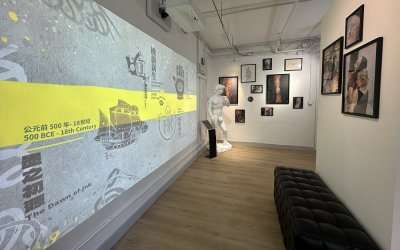
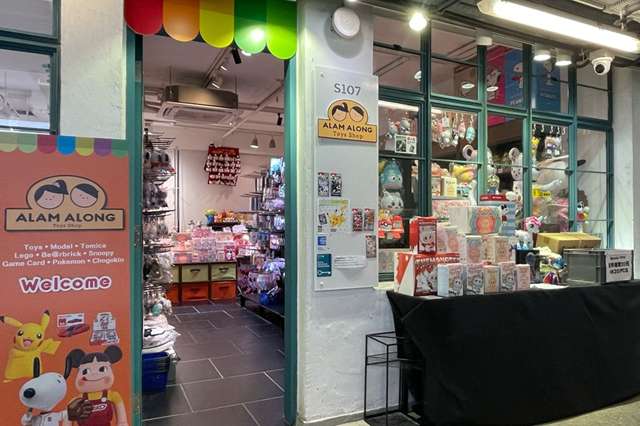
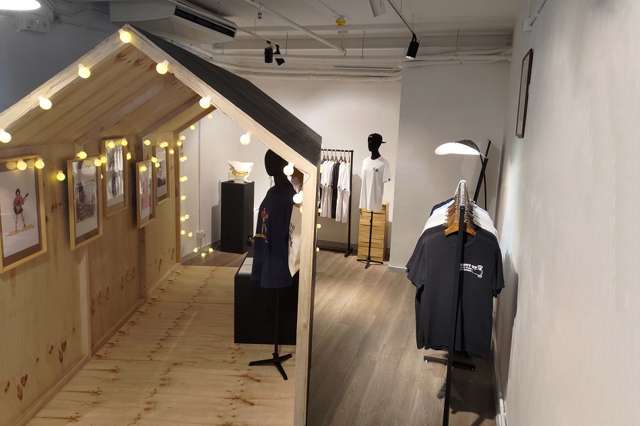
Comix Home Base hosts ani-com-related events to raise the profile of HK comics internationally. Latest updates: @hkacchb @comixhomebase
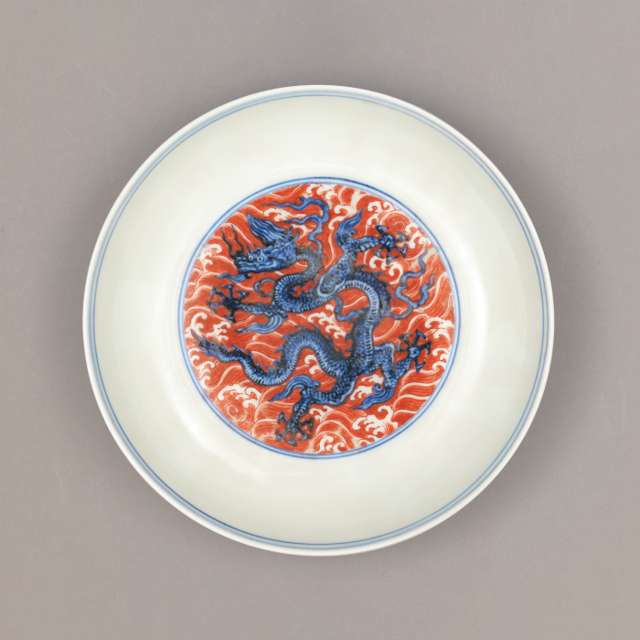
While the term sheji (“design”) was not used in China until the late nineteenth century, artisans there have been designing and making beautiful and ingenious objects for millennia. This exhibition brings together nearly 100 precious objects from the Palace Museum in lively dialogue with Hong Kong contemporary design talents. It demonstrates the deep interest in innovation, materiality, and function in design shared by people of the past and today, and how contemporary work draws inspiration from time-honoured traditions. The minimal yet dynamic design of this vase was achieved through a complex production process. After the body was made with white glass, red and blue glass strips were applied to create patterns. The vase was then polished, like jade, after which aquamarine glass was added on the rim and the base. Only the Imperial Workshops, which had at its disposal the best craftsmen and materials in China, could realise such an imaginative design.
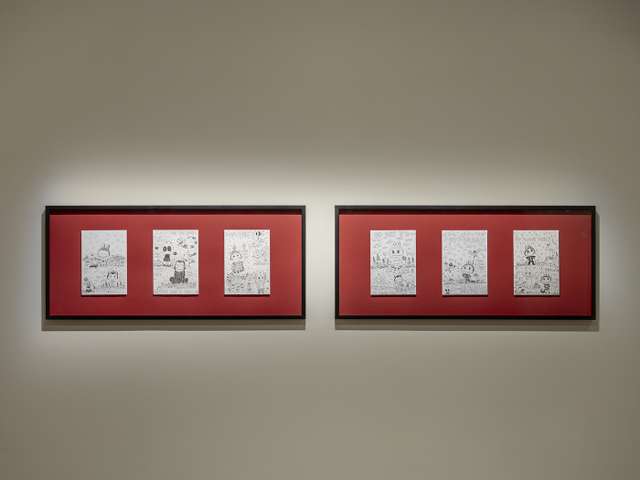
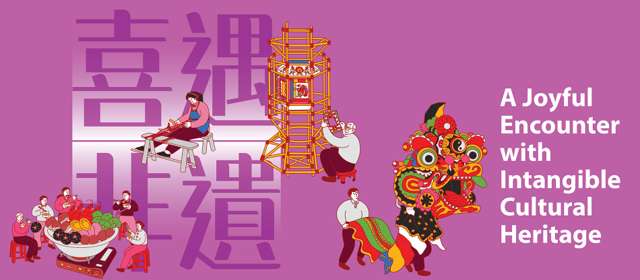
The mission of the Art Promotion Office is to 'bridge communities and art, and blend art into everyday life'. For the current event, we have incorporated artistic elements into the new Treasury Building in Cheung Sha Wan to connect with residents through art, bringing art and culture into the local community to enrich our lives. In collaboration with the Intangible Cultural Heritage Office, we feature works of local illustrator, Stella So, in the Treasury Building. With a fun and light-hearted approach, we introduce four items on the Representative List of the Intangible Cultural Heritage of Hong Kong to the public: the 'Hong Kong Cheongsam Making Technique', the 'Hong Kong-style Milk Tea Making Technique', 'Herbal Tea', and 'The Arts of the Guqin (the Craft of Qin Making)'. Exhibition period: 1.6.2024 – 24.10.2026 Venue: 1/F Lobby, Treasury Building, 3 Tonkin Street West, Cheung Sha Wan, Kowloon, Hong Kong Opening hours: Mondays to Fridays: 7am - 7pm Saturdays: 7am - 1pm Closed on Sundays and Public Holidays Free admission
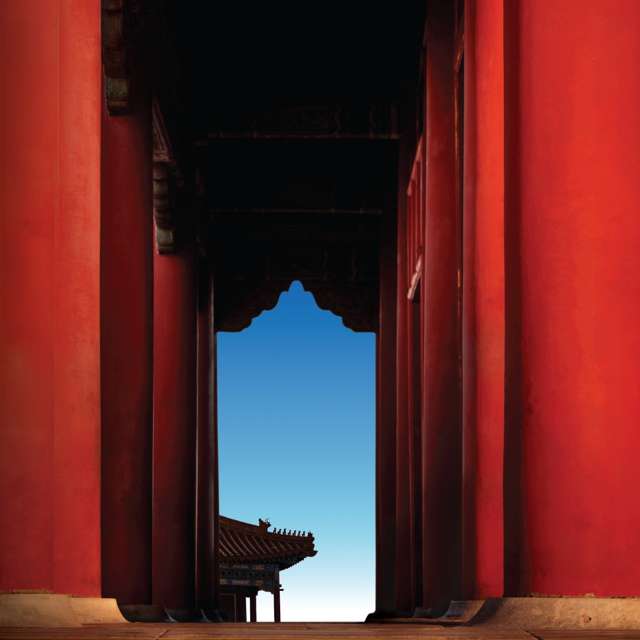
Follow in the footsteps of the emperors and empresses of the Forbidden City and experience court life in the eighteenth century. Significant events from morning to bedtime and over 300 sumptuous treasures from the Palace Museum represent key moments in their busy and well-regulated lives. These moments bring to life the colour, texture, joy, and sorrow of life inside the Forbidden City. Clocks made in Europe and China were popular at the Qing imperial court. The Kangxi Emperor (1662–1722) enjoys European chiming clocks, which help him deal with government affairs more efficiently. Novel and luxurious timepieces with features such as automata or music decorated many interiors in the Forbidden City.
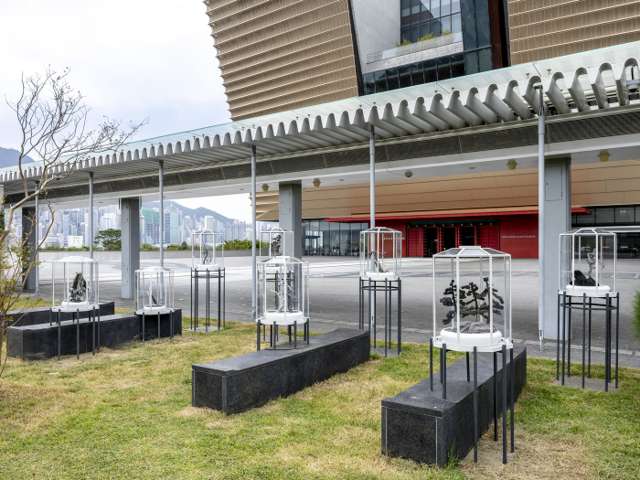
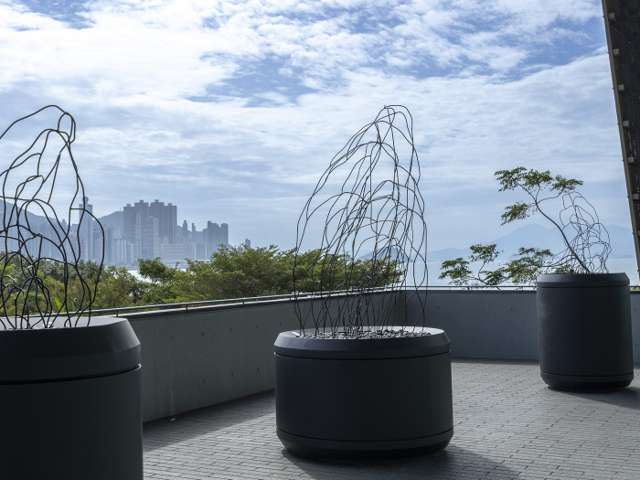
“The Art Plaza Project” exhibition marks the Museum’s first outdoor public art exhibition initiative, designed to enrich the Museum's offerings and spatial experience by integrating art into public environments spaces, thereby elevating enhancing the visitor experience. Themed by the traditional Chinese garden aesthetics, the exhibition features six sculptures and multimedia installations created by six cross-disciplinary Hong Kong artists and architect, presenting poetic and zen-style landscapes through a contemporary lens. Disclaimer: None of The Hong Kong Jockey Club Charities Trust, The Hong Kong Jockey Club, their respective affiliates or any other person involved in or related to the compilation of the contents herein (collectively, “the HKJC Parties”) makes any express or implied warranties or representations with respect to the accuracy, timeliness or completeness of the contents or as to the results that may be obtained by the use thereof. In no event shall any HKJC Party have any liability of any kind to any person or entity arising from or related to any actions taken or not taken as a result of any of the contents herein.
Ancient Egyptian civilisation originated along the reaches of the Nile River in the northeastern part of the African continent more than 7,000 years ago. From unification around 3000 BCE through the Old Kingdom period (about 2686–2160 BCE), the systems of pharaonic rule and deities were established. The culture and arts, through the development and perfection in the Middle Kingdom period (about 2034–1650 BCE) and then the fusion and transformations of the New Kingdom period (about 1550–1069 BCE), gradually reached their peak. From the 12th century BCE to the Graeco-Roman Period (332 BCE–395 CE), ancient Egyptian civilisation continued to engage in deeper interactions and integration with surrounding civilisations, including those in the Mediterranean. This exhibition features 250 spectacular treasures from seven major Egyptian museums and the Saqqara archaeological site, including statues, stelae, gold ornaments, mummy coffins, and animal mummies. Organised into four thematic sections, “The Land of Pharaohs”, “The World of Tutankhamun”, “The Secrets of Saqqara”, and “Ancient Egypt and the World”, the exhibition traces the development of ancient Egyptian civilisation spanning nearl
ENDO EXO and PHOSPHENES draw upon Carsten Nicolai’s collaboration with Ryuichi Sakamoto, which began in 2002. Both videos feature soundtracks from Sakamoto’s final studio album, 12 (2023). Inspired by Jules Verne’s science fiction novel 20,000 Leagues Under the Sea, the works are two of the twenty-four chapters in Nicolai’s film project 20,000 (2014–ongoing). ENDO EXO contemplates the human impulse to collect, catalogue, and preserve once-living creatures. The camera moves through spaces where thousands of remains lie archived in quiet rows, recalling a cabinet of curiosity—a room for interesting objects and stuffed specimens found in some Renaissance European homes. The collections in these rooms embody our manic pursuit of order and longing to master the living world—the primal desire to possess, to observe, to make nature hold still .
Lee Bul (South Korean, born 1964) is one of the most prominent contemporary artists to emerge from Asia in recent decades. Lee Bul: From 1998 to Now is a comprehensive survey of her career to date, featuring major works from the artist’s studio and collections across Asia and beyond. The exhibition at M+ unfolds in three comprehensive sections that span the artist’s career. It opens with an immersive open landscape, featuring iconic architectural installations from Lee’s Mon grand récit series (2005–ongoing). These complex works encourage visitors to reflect on the grand narratives of the modernist project and the aesthetics of failed utopias. This section also includes a selection of two-dimensional works from the Untitled (Willing To Be Vulnerable—Velvet) and Perdu series (2016–ongoing). The second chapter presents examples of Lee’s groundbreaking Cyborg and Anagram series from the late 1990s and early 2000s, which first brought her international acclaim. Combining wide-ranging references from critical theory, art history, and science fiction, these striking works explore entwined ideas of figuration, gender, and beauty in an increasingly technological world. The final section,
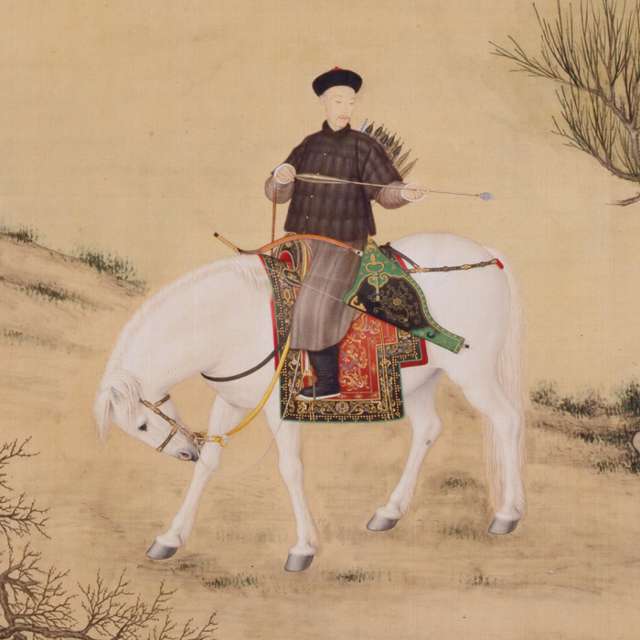
The horse, associated with resilience, vigour, loyalty, and nobility, has long been a favourite subject of Chinese painters. By the Tang dynasty (618–907), horse painting was a distinct genre. The introduction of European knowledge and techniques—particularly anatomy and perspective—in the late Ming to early Qing dynasties (17th–18th century) propelled the art of horse painting to an unprecedented height. The genre underwent a notable revival from the late Qing (19th to early 20th century) to the modern era, thanks to a further blending of traditional Chinese painting techniques with European and other styles. This exhibition celebrates the Year of the Horse in 2026 by examining and showcasing the achievements of Chinese horse painting from multiple perspectives: courtly and literati, classical and modern, Chinese and European. Divided into four thematic sections, the exhibition features nearly 100 masterpieces by more than 60 renowned artists from the Yuan dynasty (1271–1368) to the 20th century. The majority of the works on display are drawn from the collection of the Palace Museum. The exhibition is enriched by loans from the Hong Kong Museum of Art and the Art Museum, The Chin
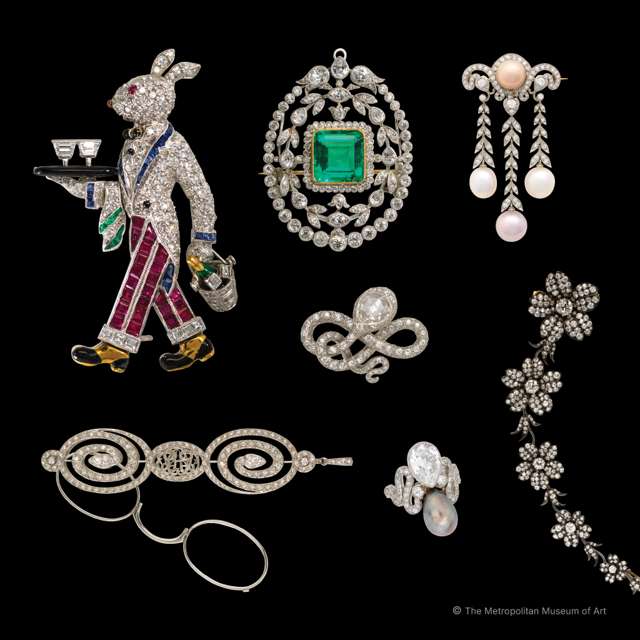
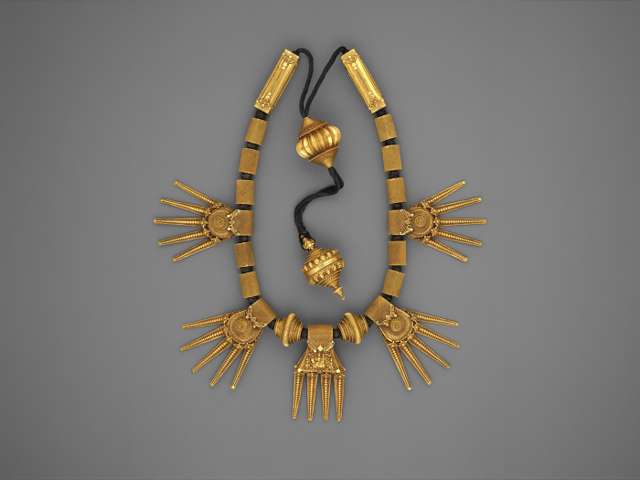
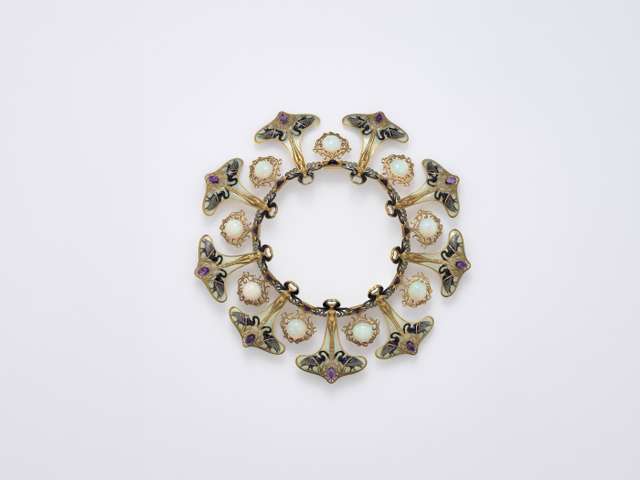
Jewellery is the world’s oldest art form, predating cave paintings by tens of thousands of years. Throughout history and across cultures, it has served to extend and amplify the human body, accentuating, enhancing, distorting, and transforming. Traversing time and place, this exhibition explores what jewellery is, why we wear it, and how it activates the body it adorns—probing in the process a fundamental aspect of what it is to be human. Unfolding a series of remarkable stories from a global history of jewellery, the exhibition features approximately 200 masterpieces from the Metropolitan Museum of Art in New York, spanning five continents and nearly 4,000 years from the second millennium BCE to the 21st century. Organised in five thematic sections, the exhibition traces the development of adornments from ancient civilisations to cutting-edge contemporary creations. Each section explores a distinct dimension of bodily adornment, offering insights into both the wearers and the cultures that shaped these diverse, yet related, works of art. These groupings of objects are clustered together to stimulate comparative thinking about these works of art across times and cultures.
Poet John Giorno (American, 1936–2019) initiated Dial-A-Poem in 1969 to bring poetry into everyday life. Believing that ‘much poetry is intended to be heard, not merely read’, he invited writers, artists, and musicians to contribute works that anyone could access by dialing a hotline. The project later evolved into a gallery installation of telephone sculptures, allowing visitors to listen to randomly selected readings. In recent years, the project has expanded internationally. Versions developed in France, Mexico, and Brazil showcase works by local makers in their own languages. Dial-A-Poem Hong Kong features newly recorded readings in the original language (Cantonese, English, and Mandarin) by thirty local poets.
David Zwirner is pleased to present an exhibition of works by Dan Flavin featuring the artist’s grids, a key body of work that he began in 1976. The first focused examination of this form, this presentation will include several re-creations of the way Flavin installed the grids in significant exhibitions during his lifetime, and will feature loans from important public collections as well as the Estate of Dan Flavin. A version of this exhibition was on view at David Zwirner New York in January–February 2026, and the presentation in Hong Kong is the first solo exhibition of the artist’s work in Greater China. From 1963, when he conceived the diagonal of May 25, 1963 (to Constantin Brancusi) , a single gold fluorescent lamp installed diagonally on a wall, until his death in 1996, Flavin produced a singularly consistent and prodigious body of work that utilized commercially available fluorescent lamps to create installations (or “situations,” as he preferred to call them) of light and color. Through these light constructions, Flavin was able to literally establish and redefine space.
Wael Shawky’s video work I Am Hymns of the New Temples (2023) delves into humanity’s beginnings and the construction of national narratives. Set among the ruins of Pompeii, actors wearing handmade ceramic and papier-mâché masks move through the remnants of the city, situated at the ancient crossroads of exchange between Egyptian, Greek, and Roman cultures. The work reinterprets shared creation myths and theatrical traditions to explore our need to make sense of the world through storytelling, and the way these narratives are adapted and reshaped for national purposes. Wael Shawky, I Am Hymns of the New Temples, 2023. Single-channel video (colour, sound). M+, Hong Kong. M+ International Council for Visual Art Fund, 2024. © Wael Shawky. Courtesy of Lisson Gallery. Commissioned by Pompeii Archaeological Park as part of Pompeii Commitment
Heri Dono’s kinetic installation Fermentation of the Mind (1992–1993) resembles a classroom, featuring rows of old wooden desks topped with white fibreglass heads. When activated by a pedal, the heads nod in unison and emit distorted chanting sounds. The work is inspired by Indonesia’s sociopolitical landscape in the early 1990s, particularly the state’s influence on public opinion and independent thought through propaganda. Drawing on the rich Javanese tradition of wayang kulit (shadow puppetry), Dono uses satire to reflect on history, society, and culture. Image at top: Heri Dono. Fermentation of the Mind , 1992–1993. Fibreglass and recycled parts; wooden desks, metal supports, books, cassette tapes, and electronics, overall: 600 x 600 x 100 cm. M+, Hong Kong. © Heri Dono. Photo: courtesy of Museum de Fundatie
We Are The Sea is a solo exhibition by Filipino artist Josephine Turalba , curated by Caroline Ha Thuc . Drawing inspiration from Pacific thinker Epeli Hauʻofa's powerful declaration—"We are the sea, we are the ocean"—Turalba invites audiences to shift perspective: from land-bound isolation to an expansive, oceanic worldview in which no island stands alone and all beings are interconnected. Through her mutant sea creatures born from the intertwining of mythological and technological worlds, the artist envisions new narratives able to make sense of our turbid and complicated times. This exhibition coincides with UN World Ocean's Day , a yearly event that 10 Chancery Lane Gallery supports by offering funds for Oceanic Global and a curated exhibition around the theme of the Oceans. This is a Women Artists' Art Week World (WAAW) Exhibition , dedicated to advancing gender equality in the arts by supporting and promoting women artists.
gdm Hong Kong is honored to present Tang Chang: Into the Heart-Mind , the pioneering Thai artist's first solo exhibition in Hong Kong. Curated by Sheryl Gwee, the exhibition meditates on Tang Chang's iridescent visions of being — in the world, and in existence — situating his radical oeuvre within the intertwined legacies of poetry, painting, and philosophy. Tang Chang: Into the Heart-Mind is a meditation on the poet and painter Tang Chang's iridescent visions of being — in the world, and in existence. Born into a working-class immigrant Chinese family in Thonburi, Bangkok, Tang Chang was a self-taught artist who went against the mainstream of Thai modern art, developing a distinctive, idiosyncratic personal idiom. His stylistic nonconformity, his diasporic status, his staunch anti-commercialism, and his eccentric persona meant that questions of place and positionality were never far from his life and work.
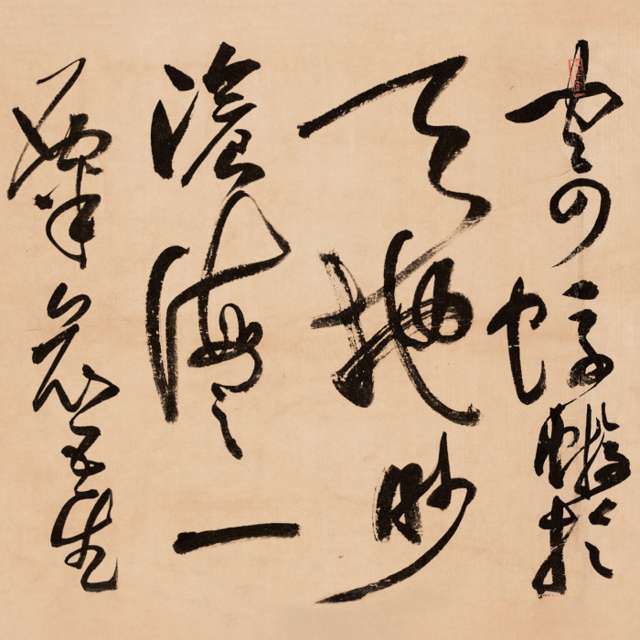
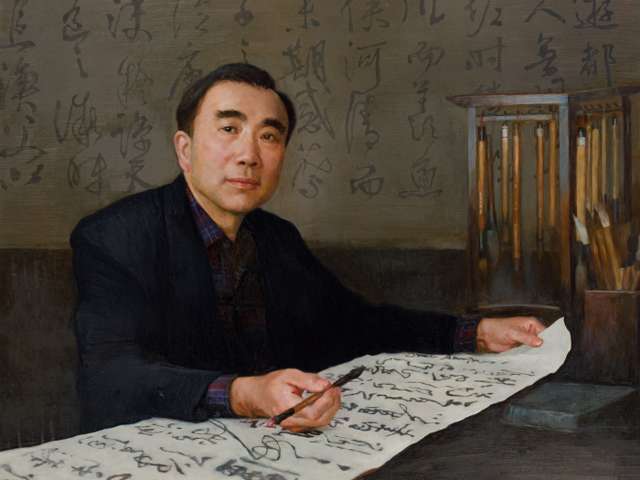
A preeminent connoisseur and scholar-artist based in Hong Kong, Mr Wong had built an extensive and significant collection through a lifelong engagement with great works of successive dynasties. He possessed particularly profound knowledge of the principles, techniques, and aesthetics underlying paintings and calligraphic works from the Wei and Jin to the Ming dynasties (3 rd –17 th century). This expertise enabled him as an artist to cultivate a personal style steeped in classical traditions yet distinguished by a lyrical, poetic quality all his own. Mr Wong stood out as a true modern heir to China’s time-honoured literati tradition. From 2025 to 2026, Mr Wong Kwan Shut and his spouse Mrs Wong Pong Chi-ying generously donated 68 works to the Hong Kong Palace Museum, including representative works by Mr Wong, works he created in collaboration with his friends, as well as classical paintings from his collection. Dawning on this important donation, the exhibition pays homage to an exceptional scholar-artist, who conversed with and emulated ancient masters with his eloquent brush.
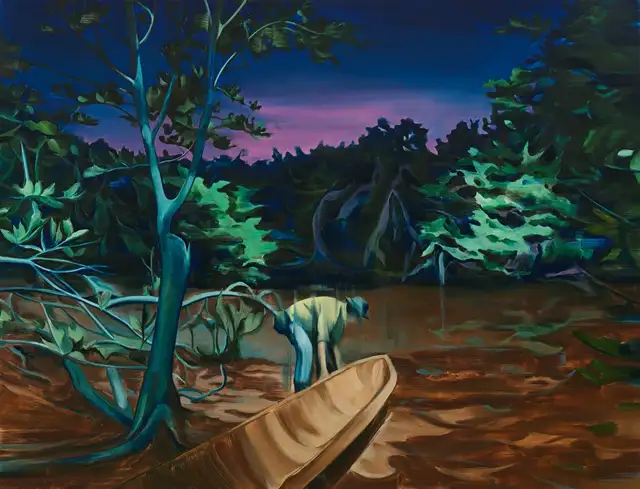
Kiang Malingue is pleased to present Dwelling in Mirrors , a solo exhibition by Wang Xiaoqu at its Hong Kong location, featuring over a dozen oil paintings created over the past year. The series expands upon the artist's recent artistic trajectory—a transition at once poised and intense. As the artist turns her gaze inward, she recalibrates the relationship between the self and the other, utilizing her captivating canvases to reimagine social milieus, friendships, temporal existence, and the ruptured link between the ego and its projected ideals—the self dwelling in mirrors. This is Wang Xiaoqu’s first solo exhibition with Kiang Malingue. Over the past decade, Wang has woven complex visual narratives through technically exquisite and unexpectedly composed paintings. She favours depicting startling, confounding tableaus, where recurring imagery of middle-aged men and sophisticated social situations elicit a subtle sense of unease while accentuating power dynamics and emotional conflicts. A palette alternating between sugary and cold tones intensifies the persistently fraught relationships between the figures, animals, and flora within her concise compositions. What feels intense, b
Design Ah! Experience the Wonder of Everyday Design is an interactive, family-friendly exhibition that explores design and its role in everyday actions. Through hands-on games, participatory installations, and immersive audiovisual environments, visitors are encouraged to look closely, try things out, and learn through play. The exhibition sheds light on how design can improve our lives, influence our behaviours, and foster human connections. Everyday life unfolds through interactions with many objects, from chopsticks and toothbrushes to buses, traffic lights, and much more. Each item was designed by someone who considered how it would be used and how it could improve daily routines. Design Ah! invites visitors to see and play with ordinary objects in new and unexpected ways, and to explore how they use their bodies, including their eyes, hands, and feet, to understand the world around them. The exhibition features 21 stations organised around 10 daily actions, some of which reference Hong Kong’s visual environment and culinary traditions. Developed through playfulness, ingenuity, and observation, these encounters spark curiosity and create moments of inspiration that will make e
This website uses cookies This site uses cookies to help make it more useful to you. Find out more about cookies. Check the boxes for the cookie categories you allow our site to use
Text in the Room, Deferred curated by Wang Jing brings together six artists whose practices interrogate the fractures, vulnerabilities, and anxieties embedded in contemporary experience. Here, moving image is not a supplement to text but a primary medium—unfolding through bodies, flows, and time, mirroring the incompleteness of lived reality. Each work exists as a fragment, simultaneously subject and object, tracing trajectories within specific social and cultural terrains. Working as a self-described "single soldier," Cai examines power boundaries within urban and territorial fissures. His works Vertical Land and Sea Route focus on the ecological and political consequences of "cross-boundary" disputes in Kinmen waters. By juxtaposing social realities with artistic interventions, his fragmented method resists closed narratives and proposes politics through discontinuity.
Shigeo Otake (b. 1955, Kobe, Japan) is a painter of otherworldly creatures and ‘fungal grotesqueries’, whose recent work has been informed, in part, by his personal studies of parasitic life and the morphology of Cordyceps. 1 The artist’s fascination with the social organisation of non-human life has inspired a distinctive approach to figuration – the scenes he conjures feature all manner of seen and unseen creatures, from the terrestrial to the supernatural. Creating work that is surreal and fantastical in equal measure, in Otake’s hands, the canvas becomes phantasmagorical theatre in which the drama of human, animal and vegetal actors plays out. For his first solo exhibition in Hong Kong, Otake presents a new body of works in egg tempera, painting on wooden board, and one fresco transfer. The primary medium of Renaissance artists, tempera was reputed for its lustrous and water-resistant finish – a consequence of binding powdered pigments with egg yolk. Otake’s interest in these specialised techniques began during his formative years as a student at Kyoto City University of Arts, whose faculty schooled him in the Early Italian Renaissance period. Directly inspired by these founda
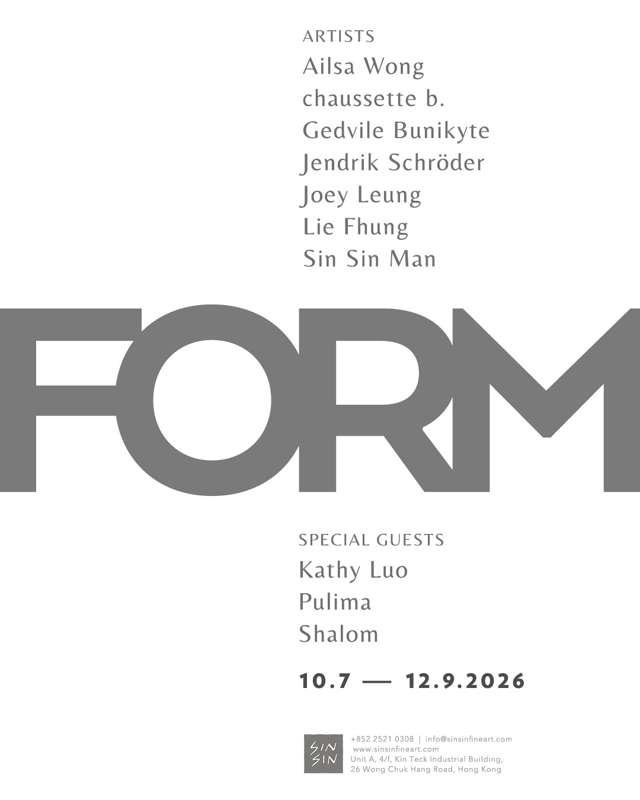
Through form, all things come into being. Neither fixed nor absolute, form is a continuous state of becoming through which the unseen gradually reveals itself. Matter and spirit, memory and imagination, thought and emotion are not separate conditions, but different manifestations of the same unfolding process. Form is not merely what appears; it is the trace of transformation itself. Bringing together seven artists from Hong Kong, Indonesia, France, Lithuania, and Germany, FORM explores the many ways in which shape emerges through artistic practice. Across ceramics, photography, installation, painting, and textile works, form is examined not merely as an outward appearance, but as a process of transformation, perception, and becoming.
Whitestone Gallery is pleased to present Becoming Her, a group exhibition that brings together the practices of Rebecca Bernau, Azuki Furuya and Shizuka Ando —three artists who approach the figure not as a fixed subject, but as a site of transformation. Across painting, collage, and hybrid processes, their works unfold a quiet yet persistent inquiry into how the self is formed: through memory, through material, and through the unseen forces that shape perception and belonging. Rebecca Bernau 's practice navigates between digital and analog, creating fluid compositions in which figures dissolve into their surroundings. Her layered forms evoke the interplay between past and present, conscious and unconscious, offering a vision of identity as continuously in flux. Central to her practice is the notion of "roots," through which she explores the interconnectedness of past and present selves.
Get ready to dive into the exciting world of Korean webtoons at the K-COMICS ORIGIN 2026 exhibition, proudly organized by KOCCA and KCCHK! Running from July 11 to August 14, 2026, at the Korean Cultural Center in Hong Kong, this immersive event brings smash-hit series like Solo Leveling and The Uncanny Counter to life. Fans can explore a century of K-webtoon history, step into iconic physical sets like Eonni's Noodle House, or issue a custom Hunter Registration card. Visitors can also grab exclusive merchandise and try their hand at creating their own characters and stories in our interactive workshops—make sure to stay updated on our social media channels for the latest workshop schedules and details!
18 July – 22 August 2026 13/F, Gallery EXIT Gallery EXIT presents a solo exhibition by Elah WONG Tsoi Wai, ‘Wild Awhile’, featuring the artist’s latest paintings alongside a series of...
Hong Kong Arts Centre | Local Diversity and Inclusion Art Exhibition
The annual Flagship exhibition has been designed as a platform for understanding, presenting and sharing the curatorial perspective and practice in Asia. Guest curators with strong Asian connection are invited to share their unique visions and to explore art concepts that reflect the region.
HEATWAVE, a curated group exhibition celebrating the restorative energy of summer while reflecting on the pressing realities of our changing climate.
The Forty Part Motet (A reworking of ‘Spem in Alium’, by Thomas Tallis 1556) (2001) is a deeply moving sound installation by artist Janet Cardiff (Canadian, born 1957). This pioneering work immerses visitors in a performance of ‘Spem in Alium’ (Hope in Any Other), a sixteenth-century sacred motet, or polyphonic choral composition, by composer Thomas Tallis (English, 1505–1585). To make the work, Cardiff recorded forty members of the Salisbury Cathedral Choir singing the piece individually. She then placed forty speakers in a large oval, with each speaker playing a different part. The installation offers a transcendent spatial experience of music as the sound shifts from one speaker to the next before converging as a full choir. As Cardiff explains, ‘With this piece I want the audience to be able to experience a piece of music from the viewpoint of the singers. Every performer hears a unique mix of the piece of music. I am interested in how sound may physically construct a space in a sculptural way and how a viewer may choose a path through this physical yet virtual space.’
The exhibition showcases newly donated models, drawings, and material samples that reveal Herzog & de Meuron’s innovative architectural practice. It focuses on built and unbuilt projects in China, including landmark buildings such as M+ (2012–2021), Tai Kwun in Hong Kong (2006–2018), and the National Stadium in Beijing (2002–2008), as well as urban planning projects that respond to how territory and landscape fundamentally shape the form of cities. These works reflect the firm’s deep engagement with China since the early 2000s, set against the backdrop of the country’s rapid economic growth and ambitious infrastructure development. Referencing the Kabinett—Herzog & de Meuron’s permanent repository of architectural knowledge for research and study—the objects are presented in exact replicas of the wooden vitrines developed for the firm’s foundation in Basel. As co-founder Jacques Herzog noted in 2002, ‘Since architecture itself cannot be exhibited, we are forever compelled to find substitutes.’ This open storage format offers visitors an intimate glimpse into the creative processes and thinking behind their groundbreaking works.
David Zwirner is pleased to present a group exhibition organized and conceived by gallerist Matthew Brown. This exhibition, titled Nocturnal , will present works by Uri Aran, Patricia Ayres, Julie Beaufils, Sedrick Chisom, Carroll Dunham, Nat Faulkner, Sasha Gordon, Kenji Ide, Olivia van Kuiken, Heidi Lau, Jack O'Brien, Kent O'Connor, Trevor Shimizu and Michelle Uckotter.
Myths and Monsters: The Art of Fantasy in Asia explores the role of fantasy in the evolution of Asian visual culture and its global impacts. Spanning from the nineteenth to twenty-first centuries, the exhibition presents fantasy as a potent creative tool for artists to respond to shifting sociopolitical conditions. Through imaginative stories, characters, and worlds, these artists confront complex realities that resonate with contemporary experiences. This groundbreaking exhibition reveals the links between a wide range of genres and styles, highlighting historical connections that have rarely been explored. Unfolding across four chapters, the exhibition begins with pre-modern traditions such as Japanese ukiyo-e woodblock prints, Chinese shadow puppetry, and Tibetan Buddhist scrolls. These traditions helped establish fantasy as a foundational element of Asian visual culture. Chapters two and three trace major twentieth-century developments, including the spread of Surrealism through Asia and the post-war emergence of Japanese manga and anime. The final chapter presents the explosion of fantastical anime aesthetics in art, design, architecture, film, fashion, video games, and digit
Since 2010, Art Promotion Office has launched public art projects such as "Art@Government Buildings" and "ARTivating Public Buildings". By embellishing public areas in government buildings with artistic elements, these projects not only aim to create a new visitor experience, but also intend to encourage creativity in local artists. APO lately has launched a new public art project entitled "Art n GOs" as part of a continuing effort to create an artistic space in government premises. Through these art installations, we hope to facilitate local development of public art and open up new ways of seeing art for the general public. In this project, we have commissioned local architect Tsoi Wai Kuen to create an artwork titled Transience at the West Kowloon Government Offices. As a young registered architect devoted to local culture, Tsoi has been actively engaged in various exhibitions and events in an attempt to widely promote the interaction between culture, space and community. Transience is a simple static installation that offers visitors a dynamic and ever-changing visual experience. Each module within the work is composed respectively of three distinct colours, three groups of pa
The Cabinet is an exhibition space consisting of forty movable panels showcasing over two hundred works from the M+ Collections. The evolving display creates a sense of wonder by bringing together objects and ideas in unexpected ways and celebrates the rich and diverse visual culture of the twentieth and twenty-first centuries. Explore The Cabinet through an interpretative game using your own mobile device and share your insights with other visitors. Fan Ho's striking black-and-white photographs captured aspects of everyday life in 1950s and ’60s Hong Kong, providing a unique window into the past
Visible from various angles upon entering the museum, our supporters' names spiral gently upwards on one of the central structural columns holding up the M+ building, symbolising their support to the museum’s continued success. Commissioned by M+, the Donor Wall is created by acclaimed designer Nakamura Yugo and his team at tha Ltd. Nakamura Yugo is considered one of Japan's leading web and interaction designers, having studied engineering, architecture, and landscape design. He is a professor at Tama Art University and has created websites and digital works for clients including the Museum of Modern Art in New York, Issey Miyake, and Uniqlo. Nakamura has exhibited and lectured in Asia, the United States, and Europe. His works have been shown at Centre Pompidou in Paris, Vienna Künstlerhaus in Vienna, and the Design Museum in London. Nakamura is the founder of the web development company, tha Ltd .
Design and architecture define the things we use, create the spaces we inhabit, and ultimately inform the way we see and live in the world. Things, Spaces, Interactions presents more than five hundred examples of furniture, architecture, graphic arts, and other design objects that have had a profound influence in Asia and across the globe over the last seventy years. Design moves across borders and is shaped by transnational exchange. This exhibition reveals the larger forces at play in this region, including social and economic change in a global context, and shows how design and architecture give us a window onto questions that are deeply relevant to our lives today. VOICE-OVER: Design and architecture define the things we use, the spaces we inhabit, and the ways we see the world. Things, Spaces, Interactions presents key works from the M+ Collections that inspire us to look closely at the objects and spaces we interact with every day. This exhibition examines how developments in design and architecture across Asia are intertwined with shifts in the region’s economics, politics, and culture in the twentieth and twenty-first centuries.
Neon signs define Hong Kong’s visual culture through their representations in film, visual art, literature, and other cultural forms. Since 2013, M+ has been acquiring neon signs from the streets of Hong Kong, not only to celebrate their cultural significance but also to preserve these iconic objects that are steadily disappearing from the city's visual landscape. The signs of Sammy’s Kitchen and Kai Kee Mahjong parlour are the first two neons to enter the M+ Collection. By examining them, we gain insight into their design, typography, engineering, and craft. Their journey from the streets into M+ is also the starting point for our research into the long-term preservation and conservation of neons, not just in Hong Kong, but also across the globe. Image at top: Neon sign for Kai Kee Mahjong parlour. M+, Hong Kong. Photo: Cpak Studio
M+ Playscape is a space inspired by and features the work of sculptor and designer Isamu Noguchi. With play and flexibility in mind, Noguchi designed structures influenced by natural and historical forms and encouraged audiences to interact with his landscapes and play sculptures, known as ‘Playscapes’. Unlike most objects in the museum, we encourage you to touch and interact with these works in undirected, freeform ways. This playscape includes benches adapted from a public space called California Scenario (1980–1982, Costa Mesa, California, United States) and three play sculptures: several configurations of Octetra , a Play Pyramid excerpted from a makeshift playground Kodomo no kuni (1965–1966, Yokohama, Japan), and a Play Mound adapted from Piedmont Park’s Playscapes (1975–1976, Atlanta, Georgia, United States). These play structures are tools for stimulating our senses, inspiring experiential experimentation, and making connections between the body and the imagination.
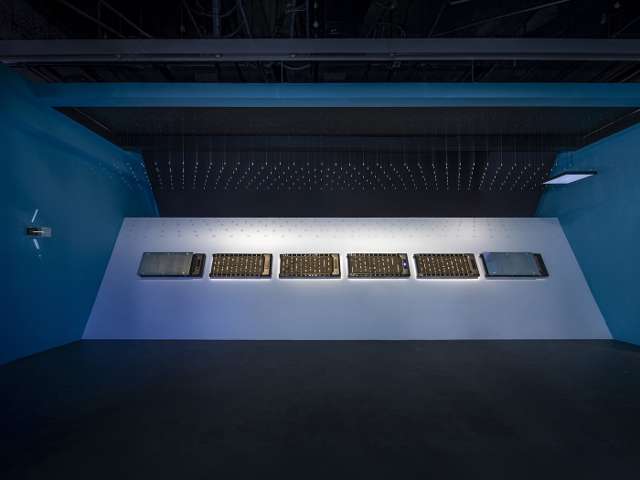
Shanshui: Echoes and Signals is a thematic exhibition of works drawn from the M+ Collections that explores the complex connections between landscape and humanity in our post-industrial and increasingly virtual world. Shanshui (‘mountain and water’) is a cultural legacy integral to Chinese philosophical thinking and poetic imagination and motivates a millennium-old tradition of ink painting across East Asia. Although commonly translated as ‘landscape’, shanshui can take us far beyond observable reality. It manifests invisible resonances—between stillness and motion, vision and imagination, the fleeting immediacy of experience and the persistence of history and memory. The exhibition reimagines shanshui through sculpture, moving image, sound, design and architecture, and ink painting, searching for signals across contemporary mediums. Exceptional paintings and prints by artists of different generation—such as Yang Jiechang, Xu Bing, Wesley Tongson, and Guo Hongwei—demonstrate formal and conceptual experimentations with landscape. The dense telecommunication networks that overlay our physical world are made perceptible as a new kind of landscape through an iconic LED installation by
The Chinese ceramics housed in the Palace Museum—unparalleled in volume, quality, and variety—are mainly inherited from the imperial collections of the Ming (1368–1644) and Qing (1644–1911) dynasties. This exhibition features over 100 representative Ming ceramic treasures from the collection of the Palace Museum. It is organised in three sections and explores the development and the outstanding achievements of ceramic production in form, glaze, and design in the early, mid-, and late Ming dynasty. The Ming dynasty was a golden age of Chinese ceramics. The ceramics produced then are remarkable works of art, distinguished by their quality and diversity. They tell stories of the imperial court, technological advances, and cultural exchanges. Imperial kilns were founded at Jingdezhen in Jiangxi province in 1369 to produce pieces for the exclusive use of the court, which imposed strict control over the management of the kilns. As a result of imperial patronage, Ming emperors influenced porcelain production and style. Ming potters, continuing the legacy of their predecessors, perfected their craft and sought to break new ground. As powerful vehicles of cultural exchange, Ming ceramics w
For the first phase, Vo created structures that act as flexible display systems. The initial showcase features an array of Akari light sculptures by Japanese American artist Isamu Noguchi, complemented by a selection of tropical plants. The term Akari, meaning ‘light’ or ‘illumination’ in Japanese, refers to a group of more than 100 sculptural lighting designs Noguchi created between 1951 and 1986. Noguchi drew inspiration from traditional lanterns made in Japan’s Gifu prefecture from mulberry bark paper and bamboo. Akari sculptures are affordable works of art as well as functional lamps for homes. Noguchi’s diverse creative practice, straddling sculpture, design, and architecture, resonates with Vo’ s interest in how objects carry multiple stories and meanings. Danh Vo (b. 1975, Vietnam) uses found objects and contexts to consider the play of intimacy and power across time. His installations have a spatial and aesthetic ease and often make collaborators of artists, friends, and family. Vo sees desire as key to how cultures persuade, resist, and adapt. In his work beauty is a key to the making and unmaking of identity.
Making It Matters follows the process of making from concept and research to design and fabrication, as well as the social networks that link each step. By delving into the inspirations, techniques, and impacts behind the selected works, the exhibition helps us understand our own roles in processes of making and their relation to our daily lives. This exhibition mostly draws upon the diverse works of the M+ Collections. The artists, designers, and architects featured include John Cage, Harold Cohen, Julie & Jesse, John Maeda, Raffaella della Olga, Anna Ridler, Ki Saigon, Fujimori Terunobu, Jay Sae Jung Oh, Stanley Wong, and Võ Trọng Nghĩa Architects . It follows the process of making from concept and research to design and fabrication, as well as the social networks that link each step. By delving into the inspirations, techniques, and impacts behind the selected works, the exhibition helps us understand our own roles in processes of making and their relation to our daily lives.
M+ Members and Patrons enjoy unlimited admission to all galleries and exhibitions; Patrons can bring up to three guests per visit. The Nakagin Capsule Tower and Kiyotomo sushi bar were located a mere ten-minute walk from each other along the edge of a bustling business and commercial district in Tokyo. With one of the city’s major transportation hubs sandwiched between the two, the area became a convenient social site for people as they travelled between their workplaces and suburban homes. Both the customisable living units in Nakagin and the stylish dining experience of Kiyotomo served the same demographics at the height of their operations in the late 1980s and early 1990s. Conceived by progressive design talents Kurokawa Kisho (1934–2007) and Kuramata Shiro (1934–1991), respectively, they encapsulated the highly refined lifestyle and culture of modern workers in Japan in an era of heady optimism. Located in the heart of Tokyo, Kurokawa Kisho’s Nakagin Capsule Tower housed 140 self-contained units. The small apartments were designed for short-term stays by people who worked in the urban centre while living in the suburbs, reflecting new trends in how people moved throughout the
The third exhibition of the M+ Sigg Collection builds on the groundbreaking previous editions, M+ Sigg Collection: From Revolution to Globalisation (2021–2023) and M+ Sigg Collection: Another Story (2023–2025). This new display provides a new and in-depth perspective on the collection and contemporary Chinese art by spotlighting key artists and trends. M+ Sigg Collection: Inner Worlds looks at the art of this period through the lens of emotional expression. The thirty-eight artists here communicate joy, sadness, calm, anxiety, doubt, and wonder. Their works capture their responses to a changing nation, creating art that aims to inspire emotional resonance in its audience. As you explore this exhibition, we encourage you to view the works with curiosity and experience the emotions they are trying to convey.
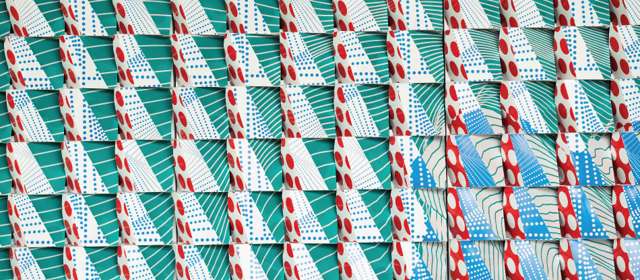
Committed to promoting visual arts, the Art Promotion Office fosters a connection between the community and the arts, bringing art into everyday life and integrating it into the community. We have brought the images created by Hong Kong designer and artist UUendy Lau for the Intangible Cultural Heritage ("ICH") Mobile Centre to the newly completed Tseung Kwan O Government Offices, introducing a range of ICH practices associated with traditional festivals, including patterned band weaving technique, unicorn paper crafting technique, flower lantern crafting technique, and the basin feast. Through the display, audiences can feel the care and blessings conveyed by ICH practitioners, and gain a deeper understanding of the Chinese cultural significance behind them. Date:From 26.5.2026 Location:Lobby, 1/F, North Tower, Tseung Kwan O Government Offices, 30 Tong Yin Street, Tseung Kwan O, Hong Kong Open all day Free admission
For more than five millennia, Chinese civilisation has developed continuously, shaped by a long tradition of cultural openness and dynamism. These enduring qualities have sustained the vitality of Chinese society and culture across time. The Ming (1368–1644) and Qing (1644–1911) dynasties inherited the established systems of governance and moral lineage of earlier periods. Through diplomacy and trade, they engaged with a wide range of regions and communities, encouraging dialogue, exchange, and mutual understanding across cultures. As the imperial palace of the Ming and Qing dynasties, the Forbidden City not only served as the centre of political power but also provided a platform for interactions between China and the wider world. Its architecture, artefacts, and stories carry the imprint of history, and its history attests to more than five centuries of cross-cultural encounters, involving the flow of goods, technologies, arts, ideas, and cultures. Together, these exchanges inspired creativity and transformation in world civilisations. Disclaimer: None of The Hong Kong Jockey Club Charities Trust, The Hong Kong Jockey Club, their respective affiliates or any other person involve
Map unavailable.
Add PUBLIC_GOOGLE_MAPS_API_KEY and PUBLIC_GOOGLE_MAPS_MAP_ID.