Tōkiō art exhibitions and cultural events
No events!
Please unset some filters.
建築倉庫
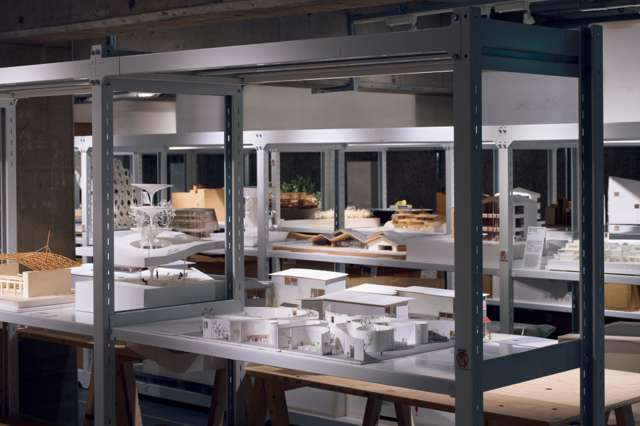
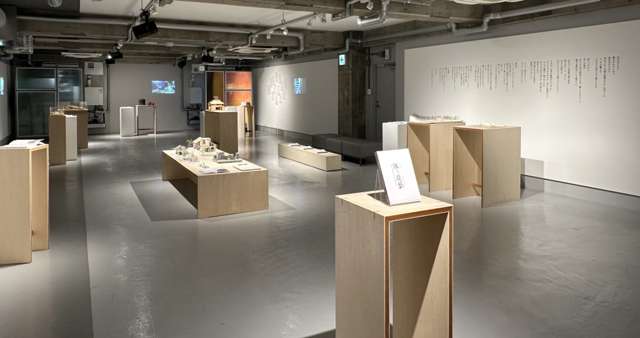
【建築倉庫でご覧いただける主な内容】 ■ 模型保管・展示スペース ・天王洲アイルキャナルサイド構想 ・ARCHI-DEPOT ONLINEで建築家や設計事務所からお預かりしている建築模型の数々 ■ イベントスペース ・[波板と珊瑚礁]関連 – 出展建築家8組の実作紹介展示 WHAT MUSEUMの企画展「波板と珊瑚礁 ー 建築を遠くに投げる八の実践」に関連して、出展建築家8組の実作を紹介いたします。 ■ 体験スペース ・触れる模型 【建築倉庫について】 建築模型は、建築家や設計者のアイデアや思考・建物が建つまでのプロセスを垣間見ることができる貴重な資料です。また、完成度の高い芸術作品としても評価されています。すでに注目を集めている近代建築の資料はもとより、現在活躍する建築家や設計事務所の模型がもつ文化的価値もますます高まっていくでしょう。
出展建築家8組の実作紹介展示[建築倉庫]
展覧会「波板と珊瑚礁 ー 建築を遠くに投げる八の実践」の関連展示として、建築倉庫内の企画スペースでは、出展建築家8組の実作を紹介しています。 出展建築家8組の実作紹介展示をご覧になる場合は、「建築倉庫」の入館券が必要です。 展覧会「波板と珊瑚礁 ー 建築を遠くに投げる八の実践」の単体チケットではご鑑賞いただけませんので、ご注意ください。
EXHIBITIONS/EVENTS
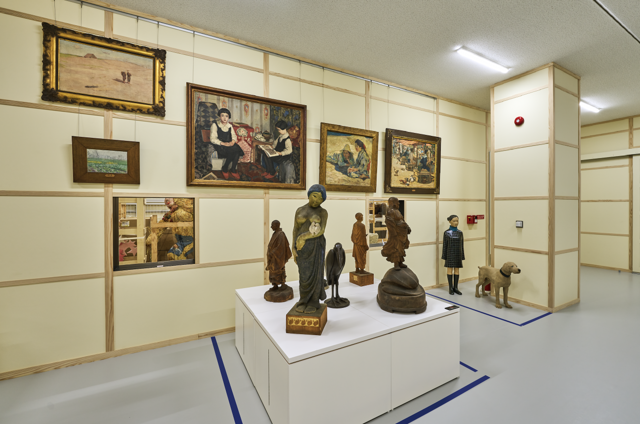
2024年、東京藝術大学大学美術館 取手収蔵棟が竣工しました。通常、収蔵庫は作品の保存に特化した施設ですが、 取手収蔵棟では収蔵品の保管と公開の機能を兼ね備えた「魅せる収蔵庫」を新たに設置しました。2025年より取手館・取手収蔵棟を巡るバックヤードツアーを開催しています。新たな収蔵庫のオープンを契機として、藝大コレクションの魅力とともに、作品を後世へ守り伝える取り組みを広く発信しながら、地域に開かれた美術館を目指します。 「魅せる収蔵庫」へは、藝大美術館の教員・スタッフが皆様をご案内いたします。ガイドツアーは、1994年に六角鬼丈(1941~2019)が設計した取手館エントランスからはじまります。「ウォールミュージアム」として構想された取手館には、竣工時の教員らによる作品が内外の壁や床、さらには扉の把手に至る各所に組み込まれています。取手館(六角鬼丈設計)から橋渡しされた取手収蔵棟(ヨコミゾマコト設計)の建築空間も体感していただきつつ、藝大約140年の歴史と美がつまった「魅せる収蔵庫」での特別な鑑賞体験をお楽しみください。
作品リスト
Those who have left their homeland, swept along by the forces of history or choices that they made in the name of survival to settle in foreign lands, along with their descendants, are called "diaspora." Today, as the number of immigrants and refugees increases worldwide amid a growing wave of nationalism and backlash against multiculturalism, the existence of these people has taken on a significance imbued with an unprecedented sense of urgency. Even among Asian countries, a large number of diasporas has emerged in neighboring South Korea, against the backdrop of its turbulent history that includes colonial rule, the Korean War, authoritarian regimes and democratization, rapid economic development, and globalization. The existence of the "Korean diaspora," however, has up until now been often discussed within fixed frameworks defined by the nation state and ethnicity, with the result that its diversity and fluidity have not been fully acknowledged. Through a showcase of works and other related materials by three artists who have migrated from South Korea to foreign lands, or have South Korean roots, this exhibition traces the trajectory of the Korean diaspora from the 20th through
MAM Collection 022: Timoteus Anggawan Kusno
Timoteus Anggawan Kusno (born in Yogyakarta, Indonesia in 1989; currently based in Amsterdam) is an artist who explores questions surrounding the history of colonialism and its memory through practices that spans video, photography, and installation. His work represents a critical examination of the power structures and arbitrary manipulations inherent in official historical narratives, even as it deliberately blurs the boundaries between fiction and documentary to reexamine the fragility of "historical truth." MAM Collection 022 showcases Kusno's diverse practice through two new works, including a recent video piece, in addition to Dismantling Nostalgia (2024), a work combining archival prints, oil and acrylic paints, rope, and metallic devices that is in the collection of the Mori Art Museum. It depicts nostalgic mountain and field landscapes where people and nature coexist in harmony, revealing how paintings known as Mooi Indie that romanticized the idea of the colonies have served to conceal the violence and inequality brought about by colonial rule. In the photographic series Void of Time (2024) and the latest video work Sola Fata (2025), both of which also address the theme o
Works Screened
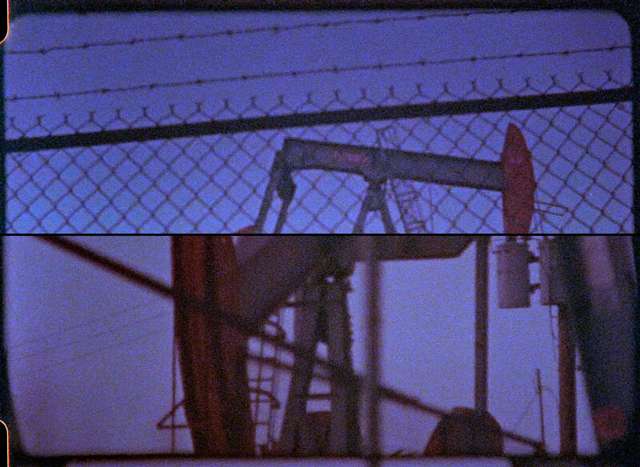
The 23rd edition of the MAM Screen presents the Japan premiere of two video works by artist Josh Kline - Capture and Sequestration: Gasoline (2023) and Capture and Sequestration: Cigarettes (2023) - from his larger project about the climate crisis. Together, the works examine everyday acts of combustion, such as burning gasoline and smoking a cigarette, as points of access to the historical systems of extraction, empire, and industrialization that underpin the climate crisis. The title refers to carbon capture and sequestration , an experimental strategy proposed as a technological solution to the climate crisis: extracting carbon from the atmosphere and burying it underground. Kline asks what it might mean to apply this logic to other toxic atmospheres - social, political, historical - that cannot be so easily contained. Kline's full suite of Capture and Sequestration videos centers on foundational commodities such as oil, tobacco, sugar, and cotton, whose production and circulation powered the rise of the United States as a military, economic, and cultural empire. Through these materials, the lineage of human-made climate change can be traced back through industrialization to the
Ron Mueck
Ron Mueck (born 1958 in Australia, based in the UK) is a contemporary artist who has pushed the boundaries of figurative sculpture through his innovative use of materials, techniques, and methods of expression. These sophisticated works are created through close observations of humanity combined with philosophical reflection and are imbued with a sense of life. They capture the inner emotions and experiences of human beings, including loneliness, vulnerability, anxiety and resilience. The artist gained attention through his participation in Sensation: Young British Artists from the Saatchi Collection at the Royal Academy of Arts, London (1997), and has since held solo exhibitions around the world. This exhibition marks the artist's second solo show in Japan, following the retrospective held at the 21st Century Museum of Contemporary Art, Kanazawa in 2008. Ron Mueck's sculptures challenge our perception of reality through the careful manipulation of scale and their ability to conjure a convincing sense of the specific whilst simultaneously retaining an ambiguity which leaves them open to individual reflection. They possess a mysterious yet intensely powerful presence which interroga
Daniel Buren "Situated Works 1966-2013"
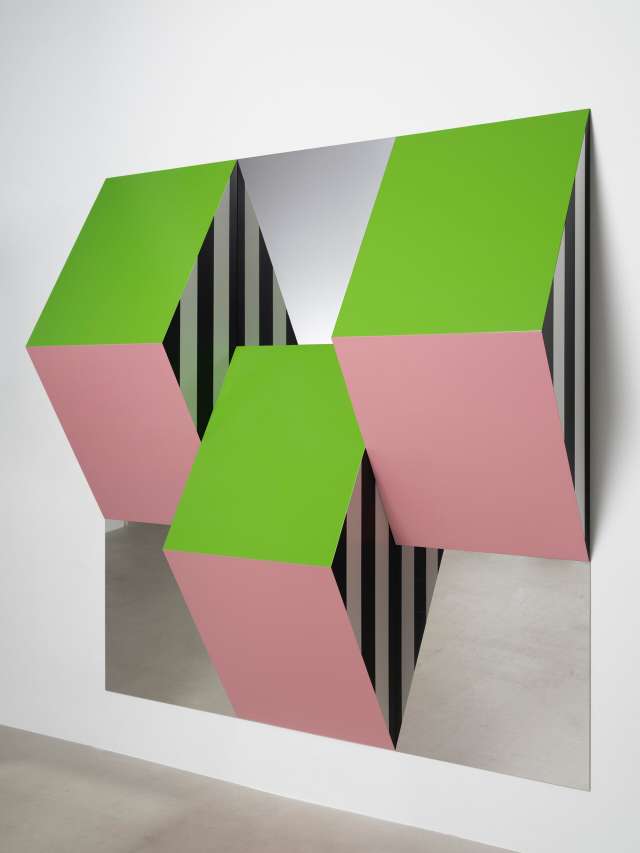
With a career spanning more than sixty years since the mid-1960s, Daniel Buren (born in 1938 in Boulogne-Billancourt near Paris. He lives and works in situ) is today regarded as one of the most important artists of our time. From the founding association of Daniel Buren, Olivier Mosset, Michel Parmentier, and Niele Toroni in 1967, which made waves within the traditional art establishment of the time, to the “affichages sauvages” carried out in the streets in the mid-60s, his practice has consistently demonstrated its radically critical and philosophical disposition. Buren’s visual tool 8.7-cm vertical stripes, white and colored has been continuously employed to this day and remain central to his practice. He uses it around the world in works in situ that explore the structural, historical, and symbolic conditions of the locations — galleries, museums, architecture, landscapes — where they are created. Notable example includes Les Deux Plateaux (1985–1986), widely known as “Buren’s columns”, and more recently, The Observatory of Light (2016), realized in collaboration with the Fondation Louis Vuitton’s building designed by Frank Gehry. Closely connected to Japan - where he has made
Now on view
June 16 - September 13, 2026 Special Exhibition
HIROSHI SUGIMOTO: EXTINCTION
Hiroshi Sugimoto (1948-) is a multidisciplinary contemporary artist. Active in the field of architecture—most notably with the Enoura Observatory in Odawara—he has also staged classical Japanese performing arts in Europe, the United States and Japan. Calligraphy, ceramics, waka poetry, cooking—his range is extensive. However, the point of origin for all Sugimoto’s art is gelatin silver photography. Based on rigorous conceptual thinking and originality of expression, Sugimoto’s photographic works stand at the very pinnacle of gelatin silver technique. But now, as film makes way for digital, the gelatin silver process itself is endangered and at real risk of “extinction.” This exhibition will feature approximately 60 gelatin silver photographs from Sugimoto’s early days in the late 1970s all the way up to the present day. It is the large-scale solo exhibition of Sugimoto’s photographs to be held in Japan since his 2005 exhibition at the Mori Art Museum, Tokyo.
出光真子 おんなのさくひん
本展は オンライン で日時指定チケットが購入できます。 >日時指定チケットの購入は こちら (外部サイト) 出光真子(1940–)は、日本における実験映画およびビデオアートの先駆的な作家です。1960年代にアメリカ滞在を経て制作を始め、女性の生き方や家族、メディアと社会の関係を主題に、フィルムや当時のビデオを用いた作品を発表しました。とりわけ1970年代以降のビデオ作品では、テレビ・メロドラマの語法を取り入れながら、母と子、夫婦関係、女性の社会的役割といったテーマを独自の視点から描き出しています。近年は、ジェンダーや身体をめぐる国際的な議論の高まりのなかで、その実践があらためて注目されています。本展は、出光の創作活動の全貌を振り返る大規模な回顧展です。当館で収蔵する全作品を、展覧会と上映により網羅的に紹介します。 本展覧会はすべて映像作品による展示です。音声の文字起こし資料をご用意しています。ご希望の方は2階受付へお声がけください(筆談可)。 出光真子 Idemitsu Mako 1940年、出光興産創業者・出光佐三の四女に生まれる。お茶の水女子大学附属小・中・高から早稲田大学第一文学部に進む。卒業後ニューヨークへ留学。抽象画家サム・フランシスと結婚。二児の母。妻であり母であることを超える創造表現への想いやみがたく、映像作家の道を歩む。自身の経験からフェミニズムをベースに、家庭における親と子、表現者として女性が生きる際の社会的摩擦などを問いつづける。著書に『ホワット・ア・うーまんめいど─ある映像作家の自伝』(岩波書店、2003年)、『ホワイトエレファント』(風雲舎、2011年)など。 ※本展タイトルにある「おんなのさくひん(What a woman made)」は、映像作家・出光真子の評価を決定付けた、初のビデオ作品(1973年)のタイトルを用いています。 《清子の場合》《加恵、女の子でしょ!》上映タイムテーブル 6/18(木)~7/31(金)、9/1(火)~9/21(月・祝)のタイムテーブルは こちら(PDF:448KB) 8/1(土)~8/30(日)のタイムテーブルは こちら(PDF:448KB) [本展に寄せて] さまざまな分野で活躍する10名の方から、本展への言葉をお寄せいただきました。 (敬称略・50音順) 伊藤春奈 (編集者・文筆家) 小川紗良 (文筆家・映像作家・俳優) 小田原のどか (彫刻家、評論家) 椹木野衣 (美術批評家) 田中功起 (アーティスト) 根矢涼香 (俳優・写真家) フランシス修 (出光真子氏 長男) フランシス真悟 (アーティスト、出光真子氏 次男) 柚木麻子 (小説家) ゆっきゅん (DIVA、作詞家) 「出光真子 おんなのさくひん――ある映像作家の自伝」展示風景 出光真子 《Woman’s House》 1972年 東京
Ettore Sottsass: Design begins where magic begins
Ettore SOTTSASS, Vase no. 10, 2006 (design / produce), Produce: Gallery Mourmans; Gino Cenedese e Figlio; Van Tetterode Glass Studio, Artizon Museum, Ishibashi Foundation © Erede Ettore Sottsass Ettore SOTTSASS, Vase no. 16, 2006 (design / produce), Produce: Gallery Mourmans; Gino Cenedese e Figlio; Van Tetterode Glass Studio, Artizon Museum, Ishibashi Foundation © Erede Ettore Sottsass
TAKIGUCHI Shuzo: Writing and Drawing
ANZAI Shigeo, Takiguchi Shuzo, Jiyugaoka Gallery, Tokyo, January 1978, 1978/early 1980s, Artizon Museum, Ishibashi Foundation © Estate of Shigeo Anzaï TAKIGUCHI Shuzo, OKAZAKI Kazuo, Oculist Witnesses after Marcel Duchamp, 1977, Artizon Museum, Ishibashi Foundation ©︎ Kazuo Okazaki
「TOPコレクション 明日の食卓」展応援メッセージをいただきました | 東京都写真美術館
作家・歌人のくどうれいん氏に、「TOPコレクション 明日の食卓」展応援メッセージをいただきました。食べて暮らす、食べて生きる。作品の前で何度も立ち止まりながら、わたしたちは大昔からきょうのひとくちを咀嚼して暮らしてきたこ
TOPコレクション 明日の食卓
「TOPコレクション」展は、東京都写真美術館が収蔵する約39,000点の写真・映像作品をさまざまな切り口で紹介する展覧会です。令和8(2026)年度第二期のテーマは「食」。私たちの身体は日々の食事からできており、「食」と「生きること」は切っても切り離せない関係にあります。「食」を手がかりとして作品に目を向けることで、そこには食事にまつわる記憶や人とのつながり、現在私たちが置かれている環境や高齢化、孤食等の社会問題への問いが浮かびあがり、さまざまな気づきが生まれます。 本展は4章構成とし、島尾伸三、原美樹子、野口里佳、潮田登久子、川内倫子、奈良原一高、山田實、宮本隆司、竹谷出、宮崎学、土田ヒロミ、楢橋朝子、岩井優、折元立身の14名の作家の作品を紹介します。みなさまと一緒に「食べること」や「共に生きること」について考えるきっかけとなれば幸いです。 島尾伸三《おやつ/求められていなかったのに、その気で、》〈生活 1980–85〉より 1980–1985年 ゼラチン・シルバー・プリント 東京都写真美術館蔵 本展の構成 第1室「あのとき、あの食卓で」 日常において、ふと思い出す「食」の風景とはどのようなものでしょうか。一様ではないものの、家族とともに食卓を囲んだ記憶が思い浮かぶことも多いのかもしれません。「食」は記憶としても積み重なりながら、やがて私たちの血肉となって現在の身体をかたちづくっています。 第1室では、家族や自分自身の食卓の記憶をテーマに、島尾伸三、原美樹子、野口里佳、潮田登久子、川内倫子5名の作家の作品を紹介します。 川内倫子〈Cui Cui〉より 2005年 シングルチャンネル・ヴィデオ(223点のスライド) 作家蔵 潮田登久子《東京都目黒区》〈冷蔵庫〉より 1989年 ゼラチン・シルバー・プリント 東京都写真美術館蔵 第2室「食と地域のあいだに」 街には、レストランやファストフード店など、食事をするための場所が数多く点在しています。東京都写真美術館があるこの恵比寿の地も、かつてヱビスビールの工場が置かれていた場所であり、飲食と深い関りをもつ土地です。もちろん、食と土地との結びつきは、都市の飲食店にとどまるものではありません。魚をとるために海に船を出したり、豊作豊漁を祈り神社への作物を奉納したりと、人々の暮らしのなかで、食はそれぞれの土地と密接に結びついています。都市で生活する私たちにとって、そうした土地と食との結びつきは、いつのまにか、見えにくくなってきているのかもしれません。 第2室では、奈良原一高、山田實、宮本隆司、竹谷出の作品をとおして、土地と食とのつながりをあらためて見つめ直します。 *竹谷出(1967–)が日本各地を旅して撮りためた〈にほんのかけら〉シリーズを、当館収蔵後初めて展示紹介します。 山田實《手をつないで 糸満漁港》 1960年
【募集】8/28(金)・8/29(土)・8/30(日)開催「TOPラボ:コレクションをじっくりあじわう3日間」[申込締切:8/19(水)] | 東京都写真美術館
東京都写真美術館が所蔵する約39,000点のコレクションには、時代も表現もさまざまな作品が含まれています。これらのなかから厳選した作品について、写真の表現や技法をさまざまな角度から、じっくりあじわい鑑賞する3つのプログラ
「TOPコレクション 明日の食卓」展コラボメニュー第2弾が登場! | 東京都写真美術館
「TOPコレクション 明日の食卓」展コラボメニュー第2弾は、鴨肉のごはんとかぼちゃのスープのワンプレート。引き続き、すいかのケーキも販売中です。1Fカフェ フロムトップに、ぜひお立ち寄りください。ポルトガルのおばあさんの
「TOPコレクション 明日の食卓」展コラボメニューが登場 | 東京都写真美術館
「TOPコレクション 明日の食卓」展コラボメニューが登場しました!ぜひ、1Fカフェフロムトップにてお楽しみください。すいかのケーキしょうが香るすいかの寒天ゼリー、ミルクヨーグルト寒天ゼリー、米粉のスポンジを重ねたレイヤー
Tony Ausler: Between Technology and Spiritual Knowledge – Magic, Media, and Art
Tony Ausler (1957-) is an artist known for his enigmatic, immersive installations that combine video, sculpture, sound, light, and language. He is highly regarded as a pioneer who opened up the art of projection mapping, a style of expression that projects images onto three-dimensional objects, a technique now widely seen. This exhibition offers a comprehensive overview of his major works, including early works such as "Private" (1993) and "Specular" (2021), which also featured contemporary artist Jim Shaw. It also presents previously unreleased works that have been in development for over a quarter of a century, as well as a brand-new, site-specific work created specifically for this exhibition. The exhibition features full-color reproductions of all works, approximately half of which are being shown in Japan for the first time, including new pieces. In addition to newly taken photographs from the venue and archival materials, the book includes a compelling essay by Ausler himself, analyses by the exhibition's curators, and an essay by Minoru Hatanaka (curator and critic), a leading expert in media art. As a catalog of works by a master artist for whom no comprehensive materials have been published in Japanese until now, this is an essential book for art fans.
100th Anniversary of the Tokyo Metropolitan Art Museum Views of This Place-Ueno, Omuta, and Buenos Aires
A 100 years ago in 1926, the Tokyo Metropolitan Art Museum (then known as “Tokyo Prefectural Art Museum”) opened in Ueno Park as Japan’s first public art museum. This exhibition will look comprehensively at creative activities undertaken in three different places during those 100 years. Part One, “Ueno—The Tokyo Metropolitan Art Museum’s 100 years,” surveys the decades from the Museum’s start in Ueno to the present with a focus on the wide-ranging exhibitions it hosted and diverse scenes that unfolded in its park surroundings. Part Two, “Omuta—EGAMI Shigeo’s 100 years,” examines the painting career of Egami Shigeo (1912-2014), who lived his entire life in one place—the Kyushu coal mining towns Omuta and Arao—ceaselessly painting its landscapes. Part Three, “Buenos Aires— Garden Full of Zinnias ’s 100 years,” looks at the newly founded museum’s first acquisition, painted in 1926, Garden Full of Zinnias, and follows the story of a man who immigrated to Argentina from Japan and he and his family members’ lives with “paintings” and “flowers.” Ueno, which has been a stage for expositions and exhibitions and a home to cultural facilities since the modern era, is regarded as Japan’s hub f
EXHIBITIONS/EVENTS
More details available on the original source page.
100th Anniversary of the Tokyo Metropolitan Art Museum Edo in Focus: Japanese Treasures from the British Museum
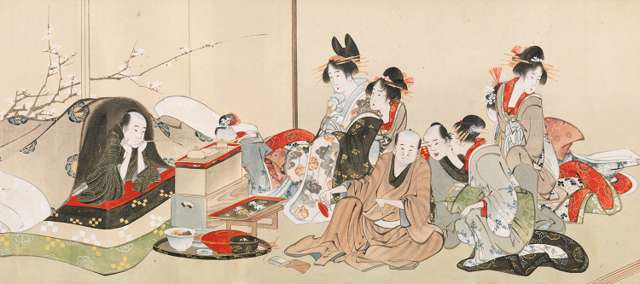
Founded in London, England in 1753, the British Museum is one of the world's great museums. Its collection of Japanese art is said to be one of the most comprehensive outside of Japan in quality as well as quantity. People’s enduring fascination with the culture of Japan, a foreign land far beyond the seas, has been the force driving the collection’s expansion since the late 19th century, when Japonisme became a craze. Connections built by collectors and curators that reached across borders and decades have been passed down to this day. This exhibition will showcase selected masterpieces from the British Museum’s some 40,000-piece Japanese collection with a focus on Edo-period paintings on folding screens ( byobu ), hanging scrolls ( kakejiku ), and handscrolls ( emaki ), as well as prints by eight renowned ukiyo-e artists including Utamaro, Sharaku, Hokusai, and Hiroshige. By also shedding light on recent research findings and the collection’s history, the exhibition will trace the British Museum’s role at the forefront of the collection, research, and conservation of Japanese art. It will, in this way, present opportunities to look back on the history of international cultural ex
The Spirituality Embodied in Sculpture
At our Roppongi gallery, we present an exhibition that takes as its theme the spirituality embodied in sculpture . A brief introduction to the featured works is provided below. However, as the contents are by no means limited to the following, we welcome you to visit the venue and engage with the works for yourself, learn about the participating artists, and take the opportunity to reflect on and experience a wide range of thoughts and feelings. Futoshi Miyagi’s “Banner (from Klagender Gesang)” is a work inspired by the final movement of Beethoven’s Piano Sonata No. 31, “Klagender Gesang” (Song of Lamentation). Embroidered by the artist onto the lampshade are the text instructions that Beethoven marked on the score: “Ermattet, klagend” (‘Exhausted, weeping’) and “Nach und nach wieder auflebend” (‘Coming to life again’). As a queer artist, Futoshi Miyagi uses a variety of mediums from film to photography, objects, and text to create works that seek to foster exchange across barriers such as history, nationality, and sexuality—often employing the fences surrounding the U.S. military bases in his native Okinawa as a metaphor for these boundaries. This work could be likened to a beacon
Modern Sensibility
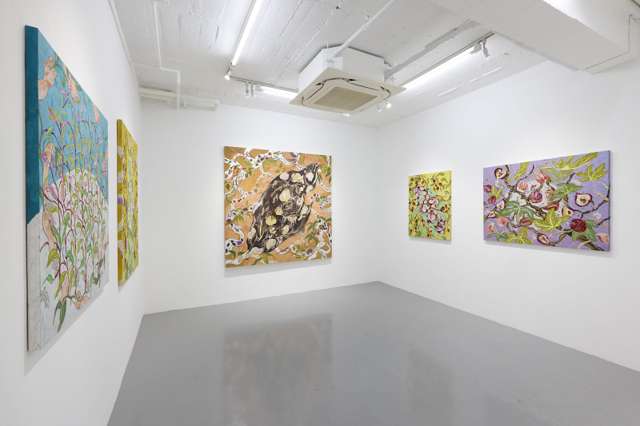
No values or perspectives emerge out of nowhere overnight; they are born through the workings of some collective entity, or by riding the currents of history—either aligning with them or swimming against them. A unique kind of potency can indeed reside in objects and phenomena amid such continuity. It is precisely because we live in a world where, paradoxically, unimaginable events unfold daily in various places, that we present a group exhibition at the Kyobashi gallery that intentionally focuses on this very continuity, which perhaps is best described as a “modern sensibility” of sorts. Yuka Mori creates works using materials rooted in the long history of traditional Japanese painting, such as washi (Japanese paper) and natural pigments. Unlike the shrinking of analog production environments as photography becomes increasingly digital, the availability of high-quality materials for traditional Japanese painting is gradually diminishing due to the declining number of artists. While Japanese painting is often subject to certain stereotypes due to its long history and the recurring nature of its themes, Yuka Mori engages with the “traditional” motif of plants to portray the realm be
河原温
Take Ninagawaは8月1日より、河原温の《I Got Up》(1968–79)シリーズをご紹介する展覧会を、同時開催のマン・レイ展に併せ開催いたします。 河原温が12年間にわたり毎日、友人や家族、コレクター、同僚らに送ったポストカードによって構成される《I Got Up》(1968–79)は、カード一枚一枚に本人がベッドから起き上がった時刻がスタンプで印字されています。量産品であるポストカードという形式、スタンプを押す反復的な行為、そして規格化された郵便制度を通じて、河原は日常生活における最も個人的で親密な事柄を、現代社会を統制するより広範なシステムの中に組み込むと同時に、時間の経過そのものに物質性を与えました。
マン・レイ
本展は、こうしたマン・レイとオブジェをめぐる研究を踏まえ、チェスをアーティストの視覚言語における生成的な仕組みとして考察します。マン・レイにとってチェスは、ゲームや主題以上のものでした。複数の指し手と戦略が交差するフィールドであると同時に、ルールの中で予想外を生じさせ、暴力と性が絡み合う場でもありました。展覧会の中心を成すのは《Giant Chess Set》(1961)、マン・レイ自身が所有し使用した、実際にプレイ可能な彫刻作品です。《Permanent Attraction》(1948/71)は、マン・レイのチェスへの情熱が三つの巨大な木製フォルムへと投影されており、台座となる市販のチェスボードの上でその威容を示しています。 また、吸い殻と灰で満たされた《This is the Thesis》(1963)と共に、紙巻タバコの刺さったキャンディス・リンの陶器作品を、そして感光紙の上で露光されたオブジェが新奇な像を結ぶレイヨグラフと併せて、シュールレアリズムの自動記述を取り入れた瀧口修造のデカルコマニー、露光写真を用いた大竹伸朗の《ブラック・アンド・ホワイト#11》(1989)をご紹介します。
トーク+パフォーマンス「これは何か、何はこれか」
波板と珊瑚礁 ー 建築を遠くに投げる八の実践 【開催期間: 2026年4月21日(火)〜2026年9月13日(日)】
「波板と珊瑚礁 ー 建築を遠くに投げる八の実践」 関連模型コンペティション 受賞作品展
受賞作品発表および、受賞作品展の詳細は下記よりご覧いただけます。 ※特設サイトへリンクします。
Lee Ufan: Work on Paper / Sculpture
SCAI THE BATHHOUSE is pleased to present “Lee Ufan: Work on Paper / Sculpture,” a solo exhibition by Lee Ufan, on view from Tuesday, August 4 to Saturday, October 10. Lee Ufan (b. 1936) played a pivotal role through both theory and practice in Mono-ha, a major art movement in postwar Japan that emerged in the late 1960s. This exhibition brings together drawings and sculptures by the artist from the 1970s to recent years, highlighting his sustained engagement with materiality across two- and three-dimensional media. Lee's first solo show with SCAI THE BATHHOUSE in four years, the exhibition coincides with his solo presentations in three cities overseas: San Marco Art Centre in Venice, Dia Beacon in New York, and Palais des Papes, Avignon. Charcoal and watercolor works on paper from the late 1970s to the early 1980s echo his representative works from that period, namely From Line and From Point , which convey the passage of time through traces of repeated gestures. Meanwhile, turbulent brushstrokes seen in these works foreshadow the dynamic development of the subsequent From Winds and With Winds series. In works from the late 1980s, restrained brushwork brought increasing prominence
Okumura Togyū
The Yamatane Museum of Art opened in 1966 as Japan’s first art museum specializing in nihonga . We are now celebrating our sixtieth anniversary. This special exhibition, the second commemorating that milestone, traces the history of Okumura Togyū (1889-1990), a nihonga artist with deep ties to our museum. The Yamatane Museum of Art opened in 1966 as Japan's first art museum specializing in nihonga. We are now celebrating our sixtieth anniversary. This special exhibition, the second commemorating that milestone, traces the history of Okumura Togyū (1889-1990), a nihonga artist with deep ties to our museum.
The Paper Log: Shell and Core — An ISSEY MIYAKE project in collaboration with Ensamble Studio
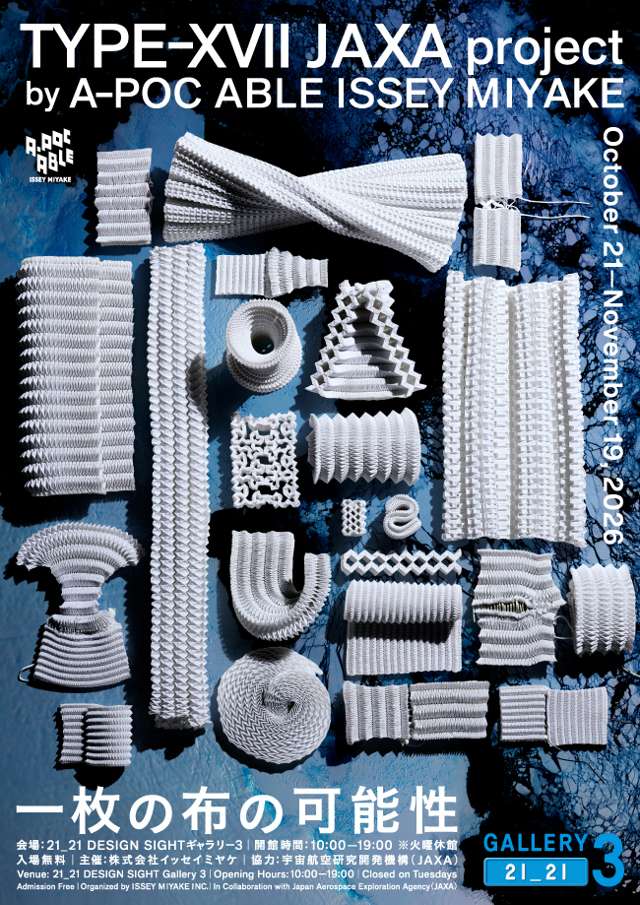
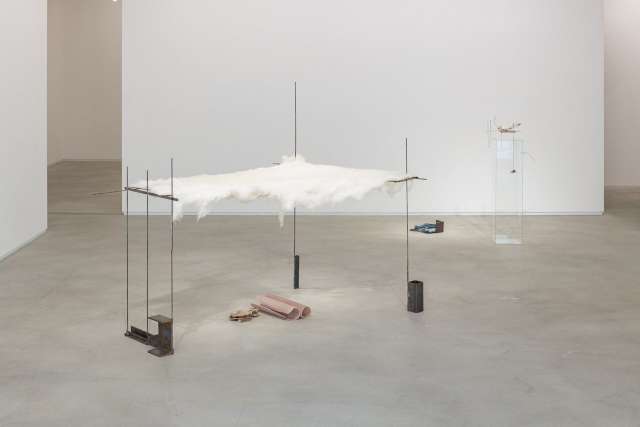
An exploratory project that finds new value in the Paper Log, a compressed roll of pleated paper — the byproduct of ISSEY MIYAKE's original garment pleating* technology. Conceived by Satoshi Kondo of MIYAKE DESIGN STUDIO, this project was developed by the ISSEY MIYAKE project team in collaboration with the Spanish architecture office Ensamble Studio. Inspired by the Paper Log's circular marbling resembling growth rings of a tree, both parties handled the material with process-driven approaches. The work series Shell by Ensamble Studio features "objects of memory" sculpted from sheets peeled from the Paper Log. In contrast, the work series Core by the ISSEY MIYAKE team consists of furniture prototypes that explore the Log's materiality by means such as soaking it in wax and painting it with glue.
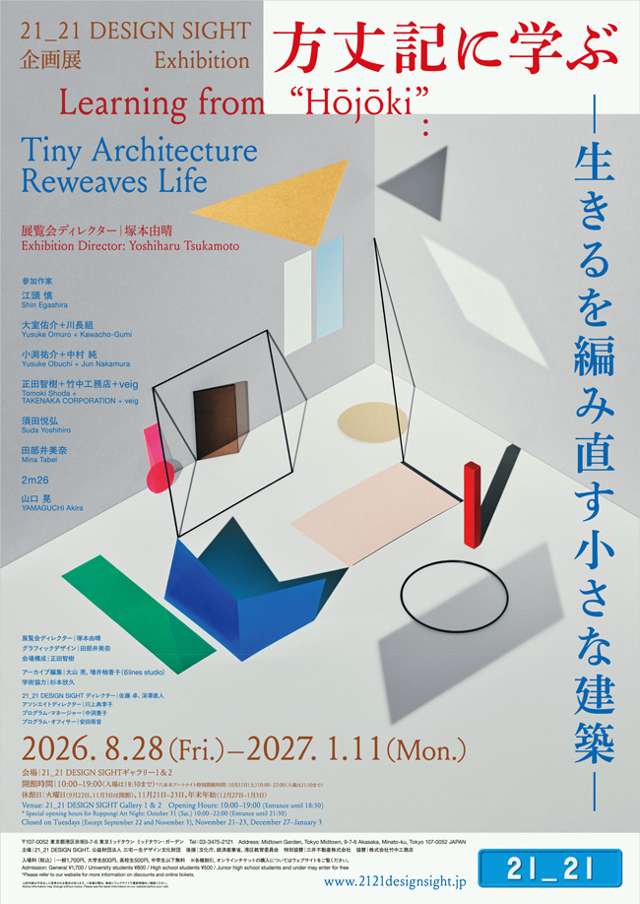
Learning from " Hōjōki ": Tiny Architecture Reweaves Life
The 13th-century essay " Hōjōki " is known in English as "The Ten-Foot Square Hut" (the Japanese title literally means "A Record of My Ten-Foot Square Hut"). In it, Kamo no Chomei ponders the ephemeral nature of life in this impermanent world. The humble hut in which he wrote no longer exists, but his words are timeless. Chomei's words have given rise to many practices again and again in similar circumstances. Both as literature and as philosophy, " Hōjōki " inquires into the very essence of human habitation. This is why " Hōjōki " can also be taken as a treatise on the essence of architecture. This exhibition centers on the small dwelling that provides the title of the text and which Chomei describes as Hōjō -no-iori - Ten-Foot Square Hut. His small hermitage is a starting point to reconsider contemporary life and the built environment. Exhibition director and architect Yoshiharu Tsukamoto is joined by architects, designers, artists and companies, each of whom develops their own interpretation of Chomei's hut. All proposals share Chomei's minimal 9m 2 square footprint, but use the participant's own selection of tools and materials to build a structure that challenges dormant huma
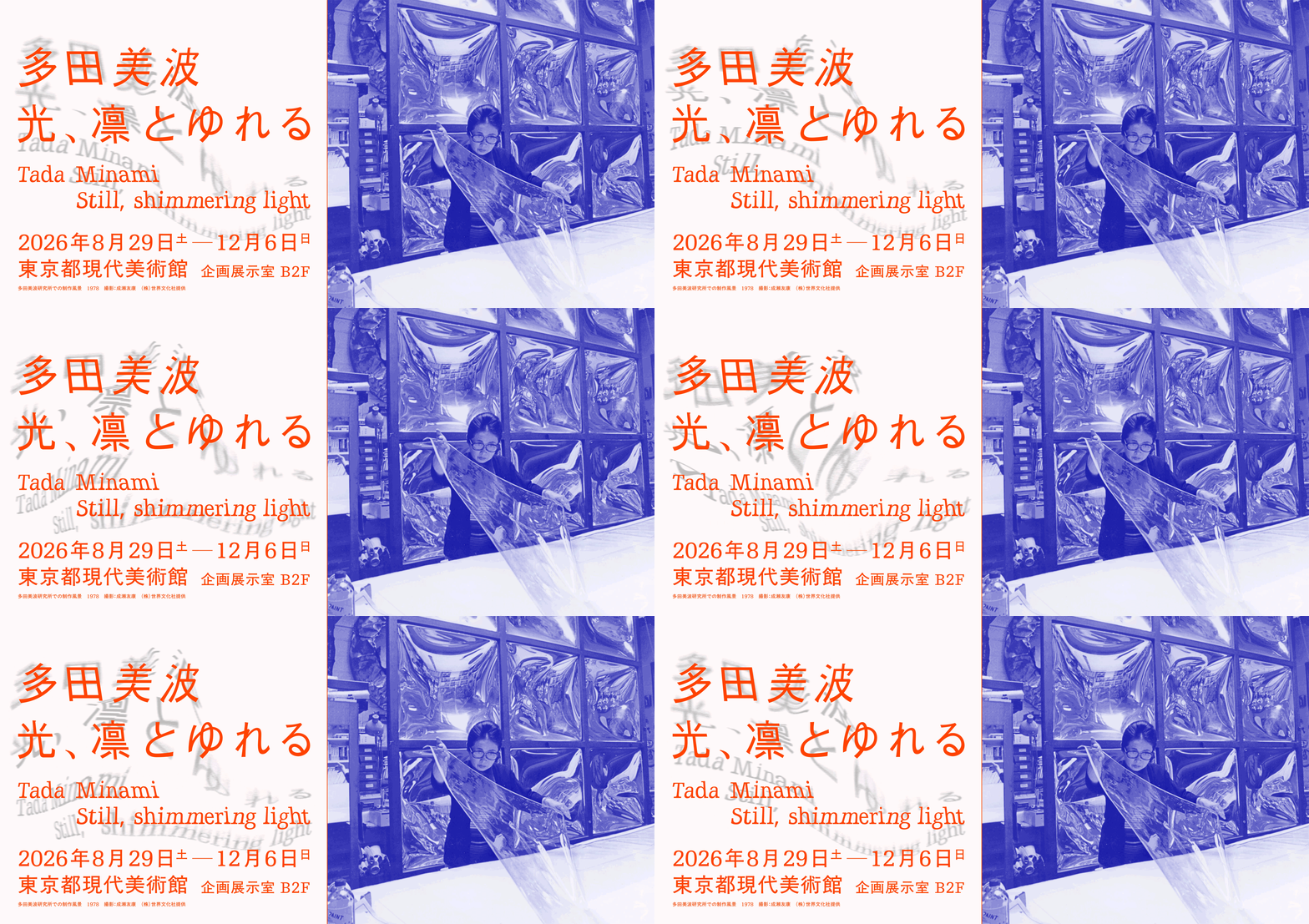
Tada Minami―Still, shimmering light
The Museum of Contemporary Art Tokyo is pleased to present a major solo exhibition of TADA Minami (1924–2014), a leading abstract artist whose work spans sculpture, design, and architecture in postwar Japan. Tada, who produced approximately 200 sculptural pieces and 500 works integrated into architectural spaces over the course of her career, extended her practice far beyond the confines of the museum, leaving her creations in a wide range of urban spaces—including parks, railway stations, city halls, hotels, and theaters—where they have formed an integral part of people’s everyday life over many years. Her body of work, varying widely in both material and scale, includes stainless-steel sculptures that appear to shapely rise skyward, glass and acrylic works that harmonize with surrounding landscapes, and “Illuminated Walls" that contain richly colored light. Tada was among the pioneering artists who actively incorporated into their artistic expression industrial materials and fabrication technologies—widely adopted during the period of rapid economic growth in Japan. Her works feature smooth, inorganic surfaces that conceal traces of manual labor, while integrating organic elemen
Yoshihisa Tanaka ARCHIVE / ACHIEVE
This exhibition looks back at the existing oeuvre of Yoshihisa Tanaka, but it also introduces the visual language that he developed through his ongoing client collaborations, focusing on the form of design that is more than fleeting. Using design materials preserved by businesses and universities,including the DNP Foundation for Cultural Promotion collections, the exhibits will examine how design processes and printed materials are preserved, classified, and exhibited. As part of this, Yoshihisa Tanaka is creating new storage containers, display fixtures, and structures for packing up materials using Japanese washi paper, a material that he has been studying for some time. He reimagines elements that ordinarily remain out of sight—the boxes, paper, mounts, classification systems, and display stands that are necessary for the archive's work—as an exercise in graphic design.
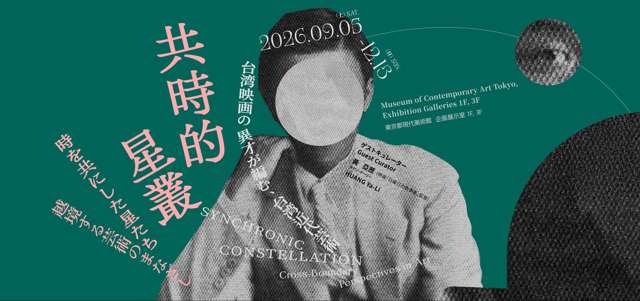
Synchronic Constellation: Cross-Boundary Perspectives in Art
List of Works (PDF) List of Exhibited Documents (PDF) T he Museum of Contemporary Art Tokyo is pleased to present “Synchronic Constellation: Cross-Boundary Perspectives in Art,” an exhibition that reconsiders the cultural and artistic modernity of Taiwan and Japan. The show draws inspiration from a film on the Le Moulin Poetry Society, a collective of modernist writers founded in Taiwan in the 1930s. Featuring approximately 200 modern Taiwanese artworks, 500 related archival materials, and 100 contemporaneous Japanese pieces, the exhibition maps a constellation of intercultural exchange, inviting viewers to rethink modernity through from today’s vantage point. The film Le Moulin (2015, released in Japan in 2017) traces the efforts of a group of poets who introduced Surrealism to Taiwan during the Japanese colonial period and composed their own verses in Japanese, weaving together a diverse body of work from across multiple regions, generations, and genres. The film offers no fixed narrative, leaving room for each viewer to form their own interpretation. Its director, Huang Ya-li, serves as guest curator for the present exhibition. The six chapters of the show translate Le Moulin ’s
TOKYOスマート・カルチャー・プロジェクト 奈良女子大学 長谷研究室「複製される感性-森山大道」
第 一 会 場:東京都写真美術館 地下1階展示室(東京都目黒区三田 1-13-3 恵比寿ガーデンプレイス内) 開 館 時 間:10:00–18:00(木・金曜日は20:00まで) 、入館は閉館の30分前まで 第 二 会 場:Tokyo Museum Collection(ToMuCo)-東京都立博物館・美術館収蔵品検索 https://museumcollection.tokyo/online-exhibition/ 詳細は 特設サイト(外部リンク) をご覧ください。 誰もが写真を撮る時代をどう見ていますか? ─とても良い、素晴らしいことだと思う。 森山大道と学生の往復書簡より 東京都と公益財団法人東京都歴史文化財団が推進する「TOKYOスマート・カルチャー・プロジェクト」は、都立文化施設が有する文化資源をデジタル化して記録・保存するとともに、多様な形態での鑑賞体験を提供するプロジェクトです。その一環として、都立文化施設が収蔵する「東京都コレクション」の実物資料とデジタルアーカイブを組み合わせ、オフラインとオンラインを融合するハイブリッド展覧会を開催します。また、「Tokyo Museum Collection(ToMuCo)–東京都立博物館・美術館収蔵品検索」では、デジタル展覧会を通じて、誰もが、いつでも、どこでも、作品を鑑賞できる機会を提供します。 本展覧会は、森山大道写真財団のご協力により、入江泰𠮷記念奈良市写真美術館で2025年に開催された「複製される感性DAIDO MORIYAMA by NWU Nagatani Lab. Monika Orpik」の巡回展として開催します。今回は、同展の展示作品に加え、東京都写真美術館が収蔵する森山大道の作品を、奈良女子大学の学生がそれぞれの視点で選定し、約140点を再構成して展示しています。森山大道の写真が次世代の感性にどう受け取られ、AIやデジタル技術を通じてどのような表現へと展開されるのか、その可能性を探ります。 会期中には、東京都写真美術館にて、本展覧会のキュレーションに携わった学生によるギャラリートークを実施し、展示の見どころや作品選定の意図について解説いたします。さらに、TOKYO NODE LAB(虎ノ門ヒルズ ステーションタワー8階)では、奈良女子大学の学生がファシリテーターを務めるワークショップを開催します。 【見どころ】 ①「東京都コレクション」を新しい視点で再解釈 東京都写真美術館が収蔵する森山大道の作品を、奈良女子大学工学部の学生の視点から再構成し、現代的な感覚や工学的な発想を取り入れた新たな解釈を提示する企画です。学生は作品選定、テーマ設定、展示構成等の企画・運営に携わり、作品の多面的な魅力を引き出します。 ② 学生によるギャラリートーク 本展覧会のキュレーションに参加した学生が、展示
Masterpieces of the Renaissance from the Musée du Louvre
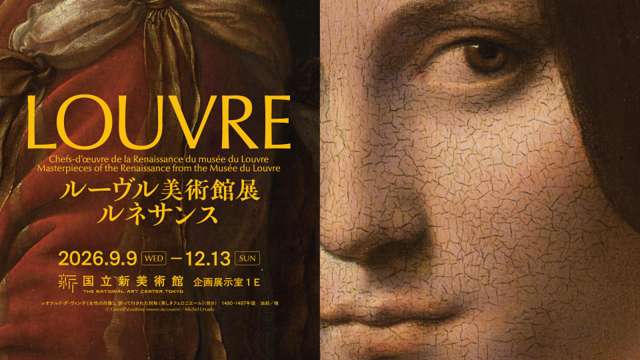
This exhibition explores the essence of the Renaissance art that flourished in Europe during the 15th and 16th centuries, and sheds light on some distinctive aspects of the rich complexity of the art movements of the time through more than 50 works carefully selected from the immense collection of the Musée du Louvre. The people of Renaissance Europe began to reevaluate the cultures and societies of Greco-Roman Antiquity, which emphasized the value and agency of human beings. This exhibition features Leonardo da Vinci's Portrait of a Woman , also known as La Belle Ferronnière , a masterpiece of portraiture from the Renaissance, when a renewed interest in human individuality came to the forefront. This is the first time the work has ever been exhibited in Japan. Throughout his life, Leonardo continually challenged himself to not only portray the physical characteristics of his models but also to capture the complicated emotions that lie just beneath the surface. This exhibition revolves around four themes inspired by Leonardo da Vinci, a true icon of the Renaissance: travel, technical innovation and refinement, interest in antiquity, and the development of portraiture.
EXHIBITIONS/EVENTS
Exhibition began in 2007 as an annual exhibition showcasing the achievements of the Lacquer Art Laboratory, and this year marks its 20th edition. This year's exhibition features works by Professors Emeriti Nagatoshi Onishi, Kiichiro Masumura, Arisumi Mitamura, and Norihiko Ogura, together with current faculty members who graduated from the laboratory, as well as master's and doctoral students, including international students. We sincerely hope you will enjoy viewing the diverse artistic expressions of lacquer art presented in this exhibition.
Nagoya
◼️ Obituary It is with great sadness that we bid farewell to Shigeo Toya, who passed away on April 15, 2026 at the age of 78. We express our deepest gratitude for the kindness and support he recived during his lifetime and respectfully inform you of his passing. ◼️ Notice of Summer Holiday Closure Nagoya : 8 – 25 August 2026 Roppongi : 8 – 24 August 2026
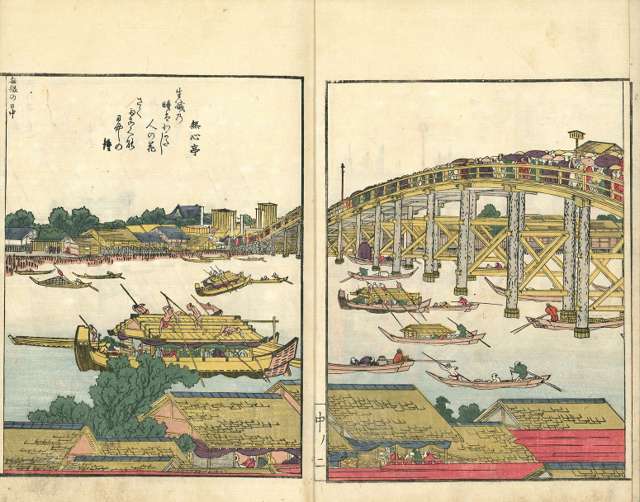
開館10周年記念 特別展 ベスト オブ すみだ北斎美術館ー隅田川両岸景色図巻と名品ー
前売期間中は通常観覧料金の20%引きとなりますので、ぜひご利用ください。 ■前売観覧券販売期間 2026年6月23日(火)から9月14日(月)までの開館日 ■販売場所 すみだ北斎美術館 1階エントランス受付 ※店頭販売のみ/開館日の9:30~17:00 両国観光案内所( - 両国 -江戸 NOREN 1F) ※店頭販売のみ/10:30~19:00 ※オンラインチケットでの割引はございません。 ・観覧券については、日時指定によるオンライン購入が可能です。ご来館当日に受付に並ばずにご入館いただけますので、下のリンクからぜひご利用ください。※販売数に限りがありますので、あらかじめご了承ください 公式オンラインチケットサイト ・中学生、高校生、大学生(高専、専門学校、専修学校生含む)は生徒手帳または学生証をご提示ください。 ・65歳以上の方は年齢を証明できるものをご提示ください。 ・身体障害者手帳、愛の手帳、療育手帳、精神障害者保健福祉手帳、被爆者健康手帳などをお持ちの方及びその付添の方1名まで、障がい者料金でご覧いただけます。入館の際は、身体障害者手帳などの提示をお願いします。 ・観覧日当日に限り、4階『北斎を学ぶ部屋』もご観覧いただけます。 ・団体でのご観覧は事前予約が必要です。 団体のみなさまへ をご確認ください。 ・学校団体、校外学習でのご観覧は事前予約が必要です。 学校の先生方へ をご確認ください。 ・観覧券購入後の変更、払戻しはお受けできません。
MOT Collection: Past Light, Present Sight
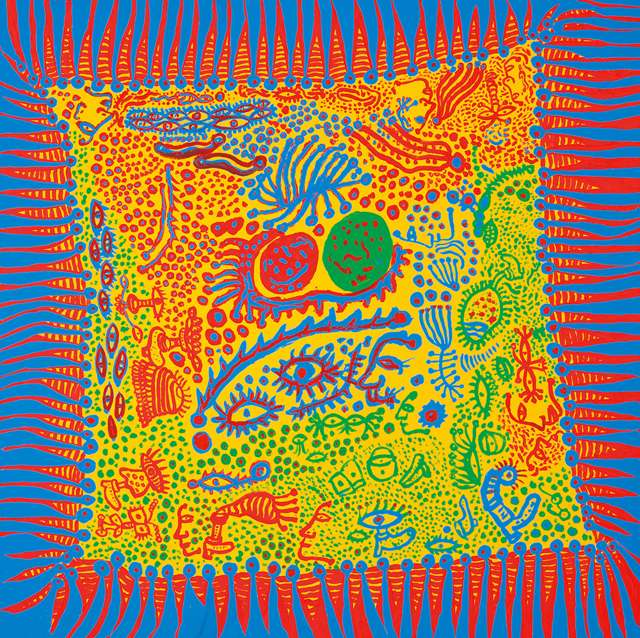
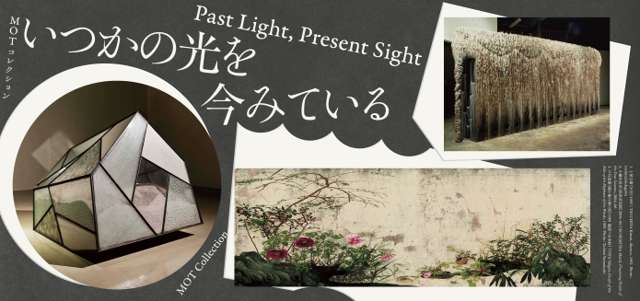
Exhibition Flyer (PDF) The Museum of Contemporary Art Tokyo is home to around 6,100 works of primarily postwar art, and each MOT Collection exhibition presents a selection of these works, from a different perspective. The latest, “Past Light, Present Sight,” focuses on the themes of light and time, and features a wealth of new acquisitions. Whether it be light emitted many thousands of years ago by distant stars, sunlight that shifts amid the sands of time, the ethereal glow of moonlight, the glare of electric lamps illuminating their surroundings, or the evanescent flickering of fireflies, light in its myriad permutations features heavily in our day-to-day lives. Seeing, viewing, observing these diverse manifestations of light can also conjure up moments from the past, or scenes from a particular time, and one could say that the “now” we are living is shaped by the layering and linking of time, passed down along with light. Through works by artists including KOSEMURA Mami, TSUCHIYA Kimio, KUMAGAI Arisa, and TOYA Shigeo, “Past Light, Present Sight” turns its attention to the past inherent in the present, and contemplates the stratified nature of time. KUSAMA Yayoi, KUMAGAI Arisa,
Textiles of Sweden: Nature and Home Life in Scandinavian Design
In Sweden, a land of long harsh winters, colorful textiles play an important decorative role, bringing joy to home interiors regardless of the season. The simplicity and warmth of their modern designs sparked a textile production boom in the mid-20th century and continue to be cherished by people throughout the country. Featured here are over 200 Swedish textile works and related materials, selected from several precious collections of vintage textiles.
Intolerance
STANDING PINE is pleased to present Intolerance, a solo exhibition by Youki Hirakawa, opening on Saturday, 19 September 2026. Hirakawa creates works that read the information embedded within everyday objects, excavating the histories and political dimensions that emerge from them. In this exhibition, he examines the process by which institutions, values, and ways of life—brought to Japan primarily from the United States after World War II—were accepted and became established within Japanese society, linking this process to his own memories and physical experiences, and framing it as an issue that continues to the present day. Intolerance / 2025, from which the exhibition takes its title, is constructed from two old milk churns combined to resemble an unexploded bomb. In post-war Japan, powdered skimmed milk supplied as aid, together with the widespread introduction of school lunches centred on bread and milk, brought significant changes to the Japanese diet. Hirakawa examines this Westernisation of food not only in relation to the policies of the Occupation, but also through the lens of biopolitics, considering state-led nutritional management and intervention in the body. From the
EXHIBITIONS/EVENTS
This exhibition brings together a total of eleven assistant professors and research assistants from the Department of Inter-Media Art and the Global Art Practice (GAP) program at Tokyo University of the Arts. Based at the Toride Campus, these emerging artists come from a wide range of disciplinary backgrounds and artistic practices. Through diverse media including painting, sculpture, photography, video, installation, and performance, they present the research themes they have been continuously exploring as well as the current directions of their artistic practices. By bringing works from various fields into a shared exhibition space, the exhibition seeks to highlight both the differences and intersections between their respective practices, while also exploring the kinds of relationships and dialogues that may emerge between individual works. At the same time, the participating artists are not only engaged in their own artistic practices, but are also involved in the university's educational and research environment as assistant professors and research assistants, supporting exhibitions, student production, and everyday academic activities. Their position--moving between making an
ふたたびくみたてる 日本の新進作家 vol.23
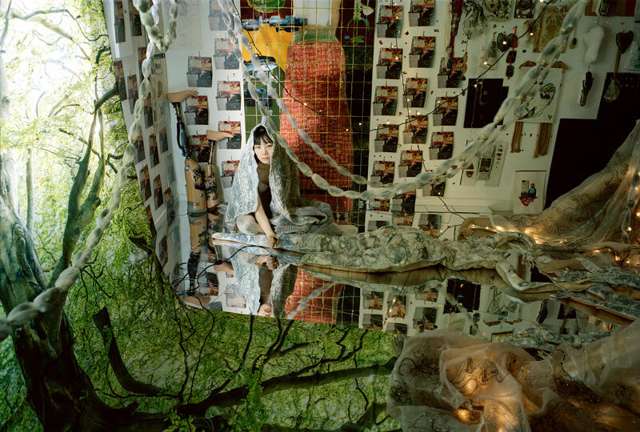
いま注目の5名の作家の作品を紹介、新たなイメージの可能性を探る 東京都写真美術館では、写真・映像の可能性に挑戦する創造的精神を支援し、将来性のある作家を発掘するとともに、新しい創造活動の展開の場として、2002年より継続的に「日本の新進作家」展を開催しています。 写真や映像は、物事を写し、残すメディアです。しかし、写し取られたイメージは、編集や置かれた文脈によって異なる意味を帯びることもあります。そのため、ときに存在しない/しなかった記憶や記録さえも想起させます。そこにおける境界線は、ますます曖昧になりつつあり、イメージのなかの見えるものと見えないもの、実存と虚構、存在と不在の境界の揺らぎが内包されています。 第23回目となる本展では、作家たちが実際に存在した記憶や素材、技術、それぞれが持つコンテクストを汲み取り、新たなイメージへと組み立てていくプロセスに着目します。真偽に惑わされることの多い日常において、私たちは情報とどのように向き合い、何を信じ、どのように世界を捉えているのか。本展では、その問いを改めて考える契機となる作品を紹介します。 出品作家:市田小百合、苅部太郎、野村在、橋本麦、藤倉麻子 市田小百合〈空席(Kūseki)〉より 2025年 黒板にシルクスクリーンプリント 作家蔵 ⓒSayuri Ichida 展示風景:「Jerwood/Photoworks Awards 5」Drawing Room(ロンドン、2026年) Originally commissioned through the Jerwood/Photoworks Awards, supported by Jerwood Foundation, Photoworks and Arts Council England 苅部太郎《あの海に見える岩を、弓で射よ #30》2022年 インクジェット・プリント 作家蔵 ⓒTaro Karibe 苅部太郎《あの海に見える岩を、弓で射よ #6》2022年 インクジェット・プリント 作家蔵 ⓒTaro Karibe 野村在《バイオフォトンはかくも輝く(白いチョッキを着た小人症の女性、湖の前で一人で笑顔、1981)》2026年 ガラスにUV-インクジェット・プリント、ステンレス金具 作家蔵 ⓒZai Nomura 野村在《バイオフォトンはかくも輝く(黄色の海水パンツを履いてサングラスをした口髭の中年男性と白色のビキニを着た同年代の女性、海水客で賑わうビーチにて、1980)》2025年 ガラスにUV-インクジェット・プリント、ステンレス金具 作家蔵 ⓒZai Nomura 橋本麦《Milling Stop-Motion (tentative title)》2024年- 2チャンネル・ヴィデオインスタレーション 作家蔵 ⓒBaku Hashimoto
デュエット――アジアン・コンテンポラリー
このたび、東京都写真美術館では、中国と日本の現代写真・映像作品を紹介する展覧会「デュエット――アジアン・コンテンポラリー」を開催いたします。本展は、「愛について アジアン・コンテンポラリー」展(2018年)に続くシリーズ第2回目の展覧会であり、三影堂厦門撮影芸術中心のエグゼクティブ・ディレクターを務めるテン・チンユン(滕青云)氏との共同企画です。 国際的に活躍する写真家ユニット、榮榮&映里(ロンロン&インリ)によって2007年に北京で設立された三影堂撮影芸術中心は、写真のための複合施設として重要な役割を果たしてきました。2015年には福建省の厦門(アモイ)に新たな拠点がオープンし、中国の写真文化を国内外に発信する中心的な場となっています。 「デュエット」とは、本来二人で奏でる音楽形式を意味します。異なる声や旋律が互いに応答しながら、一つの表現を形づくるそのあり方は、本展におけるアーティストたちの対話にも重なります。本展では、この「デュエット」という言葉を手がかりに、異なる視点や背景をもつ作品が同じ空間に並び、複数の視点や文化、時間、そして個人の経験が交差することで生まれる関係性や響き合いを探ります。 企画協力:榮榮&映里 出品作家 村越としや/ワン・トゥオ(王拓)/スイ・タカ(塔可)/ルオ・ヤン(罗洋)/ジャン・ポンイー(蒋鹏奕)/fumiko imano 村越としや 1980年、福島県須賀川市に生まれる。2003年に日本写真芸術専門学校を卒業。2009年、東京・清澄白河に自主ギャラリー「TAP」を設立。日本写真協会賞新人賞(2011年)、さがみはら写真新人奨励賞(2015年)受賞。東京国立近代美術館、サンフランシスコ近代美術館などに作品が収蔵されている。2006年以降、故郷の福島を被写体に、人々や土地の記憶をなぞるように撮影を重ねてきた。2011年以降は、特に県内各地へ足を運び、風景を通して、変化や矛盾、知覚や認識の違いを見出そうとしている。 村越としや〈より深い静けさのために風は唱う〉より 2016年 ゼラチン・シルバー・プリント 作家蔵 ワン・トゥオ(王拓) 1984年、中国・吉林省に生まれる。2007年、東北師範大学生物学科卒業。2012年、清華大学美術学院で絵画の修士号を取得。2014年、ボストン大学でMFA(絵画)取得。2017年より、四部にわたる映像連作〈The Northeast Tetralogy〉に着手。中国東北部を起点に、歴史的出来事から現代社会の事件、民間伝承までを翻案し、再構成。登場人物たちの境遇を時空を超えて結びつけることで、土地に刻まれた近現代中国の歴史の断層を浮かび上がらせる。 ワン・トゥオ《Smoke and Fire》2018年 シングルチャンネル4Kヴィデオ 作家蔵 Courtesy the artist and WHI
Toranomon Advertising Festival 2026
The Toranomon Advertising Festival, Japan's largest advertising and creative festival, connects business, design, technology, and entertainment. Creators from across generations and organizations gather to present a diverse range of content, including talk sessions, exhibitions, screenings, and networking events. This highly acclaimed event, which attracted over 17,000 attendees at its inaugural 2025 event, is expanding this year to nine days, making it even bigger and better! It's a must-see nine days for new discoveries and dialogues. Detailed schedules for each content will be announced on the special website (please check via the SPECIAL SITE button).
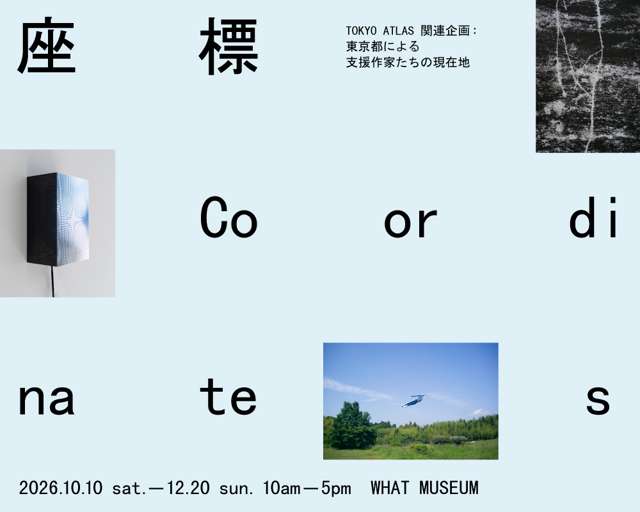
座標 TOKYO ATLAS関連企画: 東京都による支援作家たちの現在地
「座標」は、国際美術展 TOKYO ATLASの関連企画として、東京都がこれまで支援してきたアーティストやキュレーターを紹介し、その活躍を後押しすることを目的とした展覧会です。 TOKYO ATLASという国際的な舞台において、それぞれの活動の軌跡や現在地、多様な視点や実践が集積し、交差することで、新たな座標を描き出すことを目指します。 TOKYO ATLAS 公式Webサイトはこちら
開催中・開催予定の展覧会
開催中・開催予定の展覧会 - 寺田倉庫が運営するコレクターズミュージアム。新しい視点で現代アートに触れてみませんか。倉庫に保管された貴重なアートを公開!
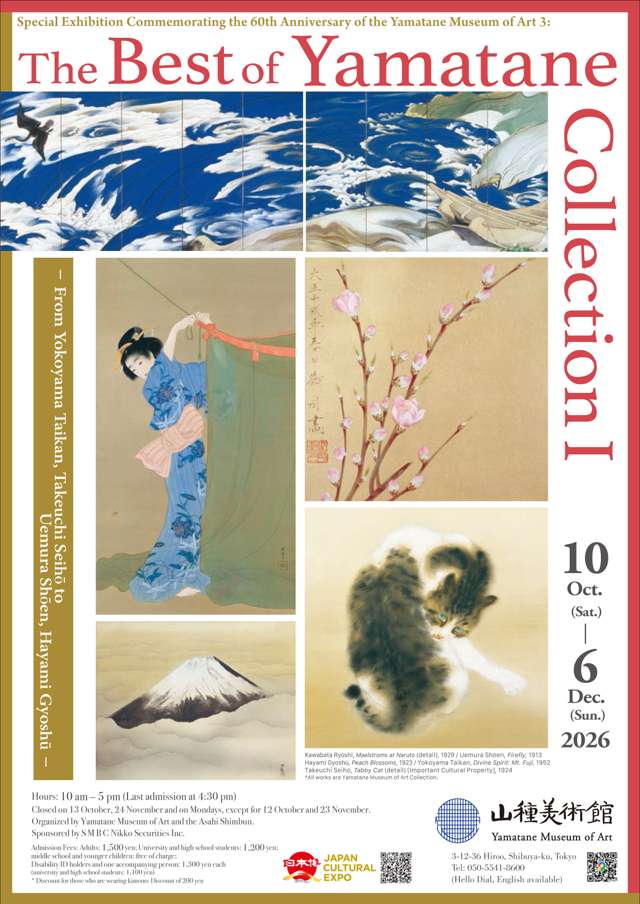
The Best of Yamatane Collection Ⅰ
当館のコレクションは、山種証券(現・SMBC日興証券)の創立者・山﨑種二(189...
Takehisa Yumeji—An Artist Who Defined His Era

Takehisa Yumeji (1884–1934) was a multifaceted artist active from the late 1900s through the mid-1930s, working as a painter, poet, journalist, designer, and illustrator. Known for his depictions of women dubbed the “Yumeji style” and his retro-modern designs, he is recognized as a figure who epitomizes the “Taisho Roman,” a trend of thought or cultural events that conveys the atmosphere of the Taisho period (1912–1926). His deeply lyrical works, which captured the sentimentality of youth and nostalgia, the atmosphere of the Edo period (1600–1868) and exoticism, and a longing for urban sophistication, resonated with the public through magazines, postcards, and exhibitions, sweeping the nation. Furthermore, through his pioneering work—which included designing everyday household goods that enriched daily life, producing books and magazines for children, writing the lyrics for the popular song Yoimachi-gusa (evening primrose), and documenting the Great Kanto Earthquake—the artist had a profound influence lasting through subsequent generations. Active across a wide range of genres, Yumeji can be described as a pioneering creator who bridged art and media.
Jam Session: The Ishibashi Foundation Collection × FUJII Hikaru WHOSE LIGHT?
IRAN, Bowl, decorated with flower design in black sgraffito and gold, blue glaze, Second half of 13th - first half of 14th century, Artizon Museum, Ishibashi Foundation SYRIA, Cylindrical Flagon, with handle, Early-middle 4th century, Artizon Museum, Ishibashi Foundation
The Strangers’ Gaze—Japanese Artists in Europe
YASUI Sotaro, Bathers, 1914, Artizon Museum, Ishibashi Foundation
Yoshirotton Exhibition: Communication with the Other Side / BEYOND EARTH
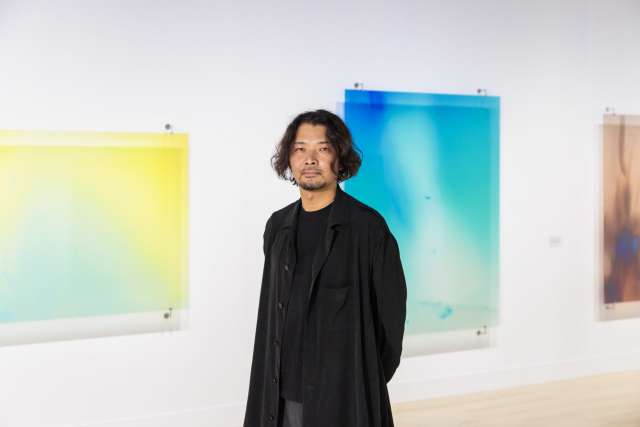
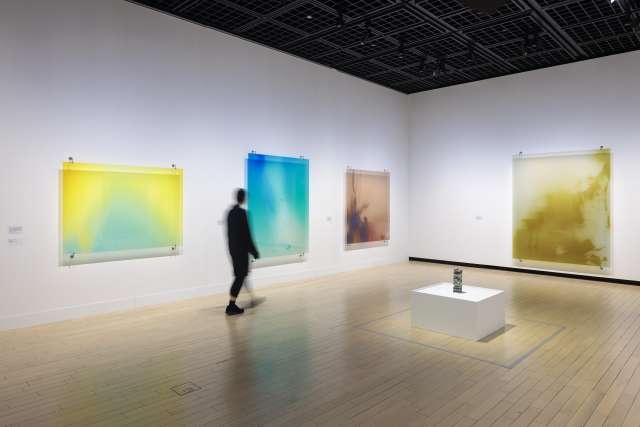
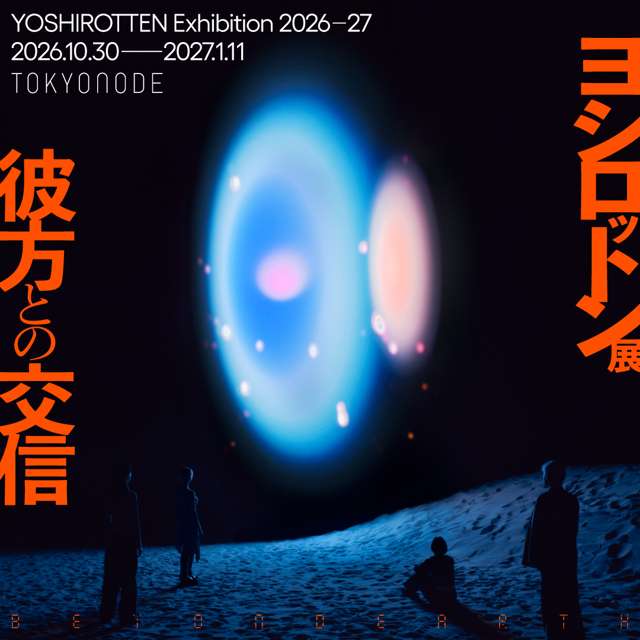
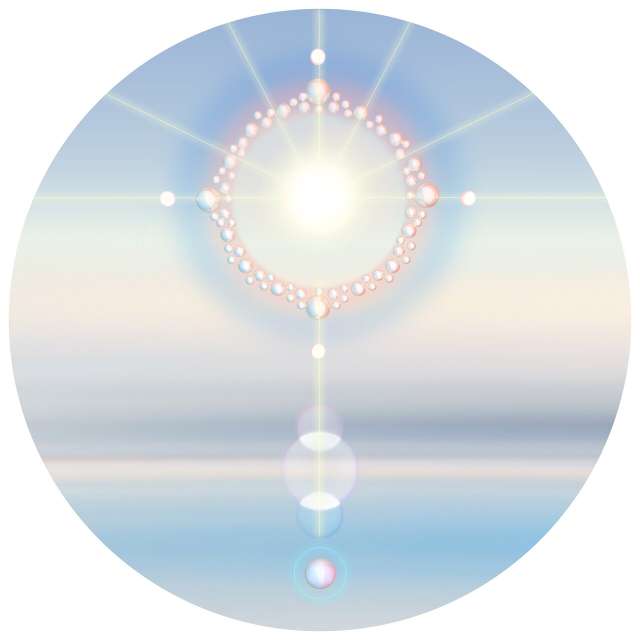
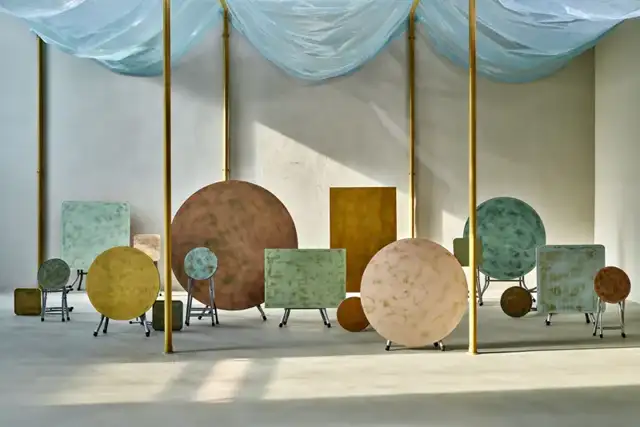
Throughout his approximately 20-year career, YOSHIROTTEN has expanded his activities to include graphic design, art direction, video, production, and spatial design, while also accumulating experience in fine art. Within Tokyo's rich cultural landscape, he has established his own unique visual language and achieved international recognition, effortlessly traversing the boundaries between music, fashion, and art. This exhibition explores the theme of "visualizing the invisible," a theme he has consistently pursued, drawing on subjects deeply interested in him such as nature, the universe, light, and color. It centers on representative series such as "RGB," "FUTURE NATURE," and "SUN," further developing his expression on a larger scale. Born in Kagoshima in 1983, YOSHIROTTEN is an artist who operates with an inexhaustible interest in the "unknown," freely moving between multiple domains such as fine art and commercial art, digital and materiality, urban culture and the natural world. At his own creative studio, "YAR," he is an art director who handles a vast amount of work in almost every field related to visual arts, including advertising, video, and spatial design for a wide range of clients, including musicians from Japan and abroad, and luxury brands from Europe and the US. He has collaborated with global brands and musicians such as Hermè's, Jaguar, Nike, G-SHOCK, Stevie Wonder, Tatsuro Yamashita, Hikaru Utada, and XG, and has consistently created works that provide beautiful visual forms in response to their unique worldviews.
A Major Retrospective of a Visionary Practice at the Intersection of Art, Technology, and Transcendental Experience
A Major Retrospective of a Visionary Practice at the Intersection of Art, Technology, and Transcendental Experience The Mori Art Museum, Tokyo, announces Mariko Mori: All That Shines , Japan's first major retrospective since Mariko Mori: Pure Land (2002) at the Museum of Contemporary Art Tokyo. Organized by the Mori Art Museum in collaboration with The Solomon R. Guggenheim Foundation, the show features some forty works spanning more than three decades and surveys Mori's artistic and conceptual innovations across all her signature media: performance-based and computer-imaging photography and video; drawing; sculpture and large-scale interactive installations. All That Shines offers new frameworks for Mori's practice, positioning it within the fields of technological futurism, popular visual culture, and philosophies of consciousness. At a moment when the global contemporary art world is turning with renewed attention to the diversity of cultures and civilizations, artistic practices deeply intertwined with indigenous traditions and ceremonial life are once again coming to the fore. Simultaneously, the rapid evolution of technology is profoundly reshaping the very nature of creative
EXHIBITIONS/EVENTS
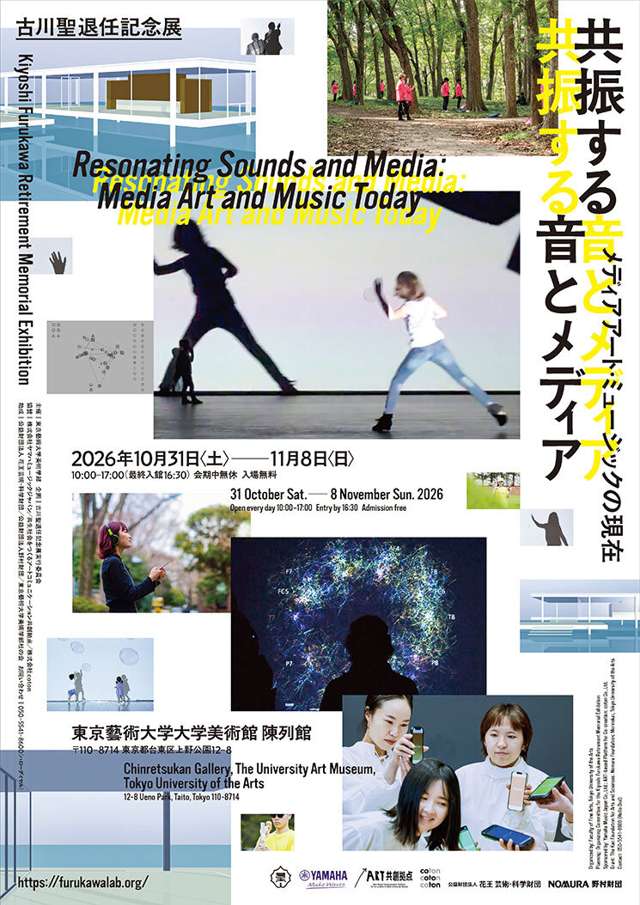
This exhibition looks back on nearly 30 years of creative practice, research, and teaching by Kiyoshi Furukawa, Professor of Intermedia Art at Tokyo University of the Arts. Centered on sound and media art, it presents a wide range of projects spanning contemporary and computer music, artificial intelligence, cognitive science, neuroscience, bodily expression, and art and care. Through practices at the intersection of art, science, and technology, the exhibition explores new possibilities for artistic expression and future forms of creative practice.
Brie Ruais
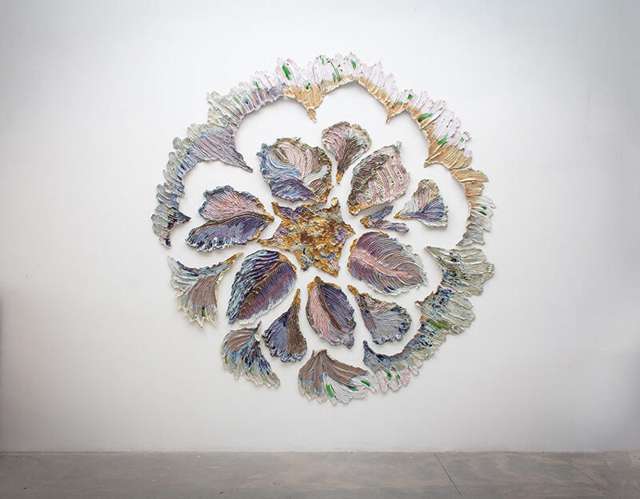
MAM Project 035 presents Brie Ruais, an artist based in Santa Fe, NM, USA. Ruais creates sculptures that incorporate performative elements, focusing on the materiality of ceramic, physicality of the artist herself, as well as the nature of hands-on labor. Among her signature works is a series shaped through full-body movements ‐ spreading, tearing, and scraping a mass of clay equal to her own body weight. Bearing the direct traces of her body, these works reflect an individual existence and lived experience, while their powerful movements and emotional expression embody a unique artistic practice that fuses bodily action with the inherent qualities of clay. For this exhibition, Ruais, following an artist-in-residence at the Shigaraki Ceramic Cultural Park in Shiga Prefecture, has conducted research into Japanese clay and ceramic history, integrating her findings with her own practice to present new works. Born from an intimate dialogue between clay and the human body, these works invite us to reconsider the relationships among our bodies, the earth, and the nature of individual existence. Brie Ruais Translating a Flowering Body, 130lbs + 130lbs 2026 Stoneware, glaze, hardware 304.8
Mori Art Award 2026 Grand Prize Exhibition: Katayama Mari
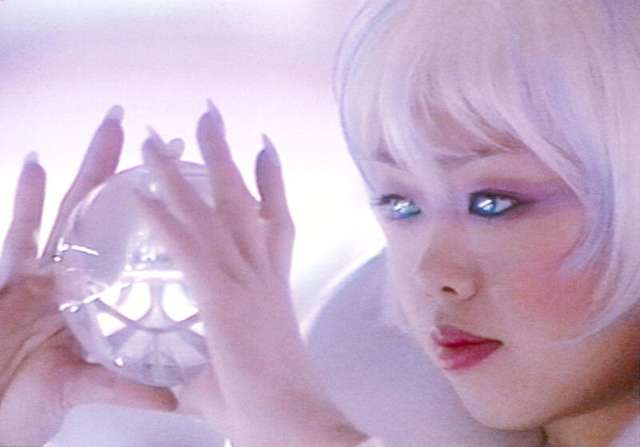
The Mori Contemporary Art Foundation (MoriCAF) and the Mori Art Museum will hold an exhibition showcasing the work of Katayama Mari, winner of the Mori Art Award's inaugural Grand Prize, from Saturday, October 31, 2026, to Sunday, March 28, 2027. The biennial Mori Art Award was established in May 2025 by the MoriCAF. The Japan-based Nomination Committee first creates a shortlist of mid-career Japanese artists, or artists with strong connections to Japan, based on exceptional exhibitions and works from the previous two years. The International Jury selects four finalists after reviewing the shortlisted artists' submission materials and determines the Grand Prize winner following an in-person screening process. The Grand Prize recipient is awarded ¥10 million and the opportunity to hold a solo exhibition jointly organized by the MoriCAF and the Mori Art Museum. The other three finalists receive prize money of ¥1 million each. The International Jury highly praised Katayama Mari's work for the compelling ways it expands the boundaries of her own body. She achieves this through analogue photography and handicraft practices such as embroidery and needlework. She is expected to ac
100th Anniversary of the Tokyo Metropolitan Art Museum What a Wonderful World: Masterworks from the Musée d’Orsay
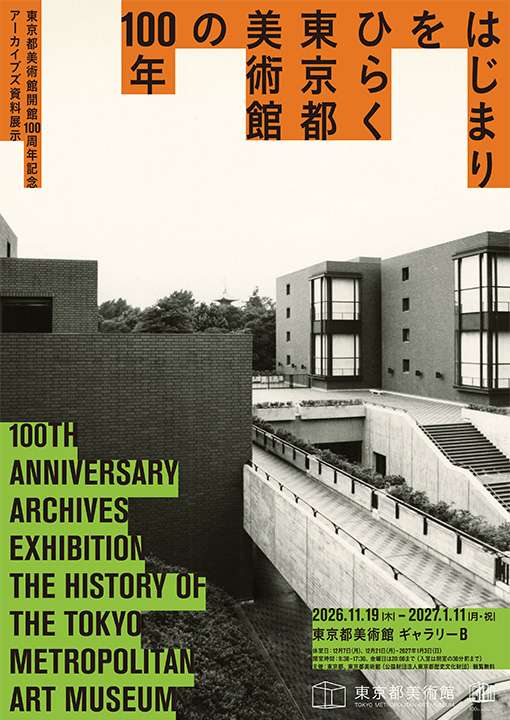
In the 19th century, various artists began taking a keen interest in expressing the “here and now” of daily life. This shift came at a time when the middle class was expanding with the growth of industry, and technological innovations were dramatically reshaping society. The new lifestyles and scenes that emerged were recorded by artists through novel forms of expression, giving rise to works that presented subjects finding small joys in the everyday as they resiliently navigated life in an era of tumultuous change. This exhibition will present around 110 works from the veritable “temple of Impressionism,” the Musée d'Orsay, representing diverse media such as painting, sculpture, decorative arts, and photography, all tied together by the theme of “What a Wonderful World.” These snapshots of the joys of life—captured through the eyes of artists such as Jean-François Millet, Pierre-Auguste Renoir, Claude Monet, Vincent van Gogh—promise to inspire us to make new discoveries and acquire fresh perspectives in the midst of our own era of rapid social change.
100th Anniversary Archives Exhibition The History of the Tokyo Metropolitan Art Museum
In 1926, the Tokyo Metropolitan Art Museum opened in Ueno under the name the “Tokyo Prefectural Art Museum.” Its founding was made possible by SATO Keitaro, a coal industrialist from Kitakyushu, who provided a million-yen donation as funds for the museum’s construction. On opening, the Museum devoted itself primarily to serving artist groups as a venue to showcase their works. While operating in this capacity, it had occasion to stage now-legendary avant-garde exhibitions and, in time, became a major venue for exhibitions featuring masterpieces of Western painting. The Museum also broke ground with initiatives to help citizens become familiar with art and understand it more deeply, and today, it is steadily expanding opportunities for their participation. The Tokyo Metropolitan Art Museum is like a plaza continually abuzz with art creators and art viewers. A hundred years have seen us undergo transformation with the construction of a New Museum Building, on the site of our Original Museum Building, from which to unfurl activities furthering our mission to become “a place for creativity and coaction.” In commemorating the Tokyo Metropolitan Art Museum’s 100th Anniversary, this exhib
100th Anniversary of the Tokyo Metropolitan Art Museum Ways of Reading―How the World Speaks to Us, How We Speak to the World
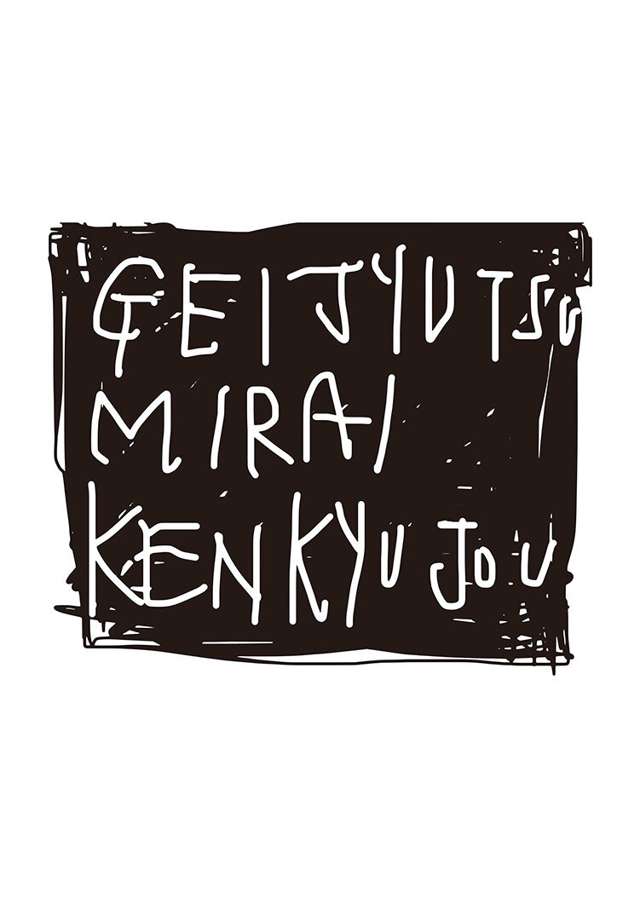
Thematic Exhibitions FREE This exhibition is held in celebration of the 100th anniversary of the Tokyo Metropolitan Art Museum. Grounded in the museum’s guiding mission — “to provide a place for creation and coexistence where individuals reflect on themselves and deepen their connections with the world”—it takes “dialogue with the world” as its central theme. To “read” is an active process: a movement toward the unknown and a deepening of perception. Through the works of five artists from differing periods and creative contexts, the exhibition explores diverse ways of entering into dialogue with the world—by “Reading through Light,” “Reading through Time,” “Reading through Words,” “Reading through Nature,” and “Imagining with the Whole Body.” The sculptures, photographs, texts, and paintings presented here invite a variety of modes of engagement. In such moments, one may encounter something that quietly sustains one’s own existence. The key to opening the door to new worlds lies within each individual who approaches the works with openness and quiet attentiveness. It would be our greatest pleasure if this exhibition offers an opportunity to experience this for oneself.
Copperplate Print Artist Komaï Tetsuro: Constellations on the Palm of His Hand
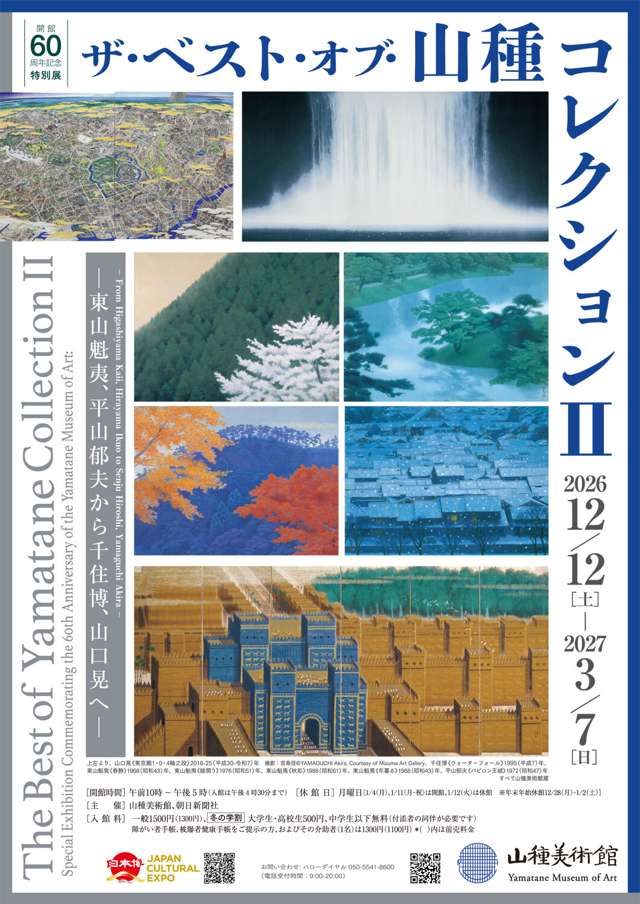
KOMAI Tetsuro (1920–1976) was one of Japan’s most significant print artists. Commemorating the 50th anniversary of his death, this retrospective follows the trajectory of Komai’s entire career, not only through prints but also rare oil paintings from his student days as well as book illustrations. Prints that Komai collected from Japan and abroad, a look at the artists who influenced him, and photos of his studio are among the supplementary materials that provide an overview of the man and his life.
Time
From antiquity, people have grasped the invisible notion of time. Today, we share the concept of a day composed of 24 hours. Time is confirmed by public transportation timetables, and we arrange schedules by looking at a calendar. Time is divided into cycles such as weeks and years, and we make plans based on them. Time is implicated when you visit an exhibition. It will take a certain time to view objects of display and read the captions. The sequence of movement, the exhibition period, the opening hours, all rely on the notion of time. How long will it take you to get there? How much time will you wait at red lights? Examples of our attentiveness to time are limitless. The rice ball you ate before leaving home... When was it made? When was the seaweed wrapping it cultivated? How long is the history of Japanese rice cultivation? Every action we take is tied to notions of time.
Hans Haacke
This is the first major retrospective in Asia of Hans Haacke (b. 1936, Cologne, Germany), a central figure who steered the Conceptual Art movement, which unfolded in 1960s New York, toward critical inquiry into systems where power, economics, and culture are intricately intertwined. From environmental issues to the pursuit of political and corporate power, this exhibition serves as a comprehensive overview of Haacke’s practice and its contemporary significance through a wide range of historical works and projects. Hans Haacke, News , 1969/2008 © Hans Haacke / Artists Rights Society (ARS), New York / VG Bild-Kunst, Bonn. Courtesy the artist and Paula Cooper Gallery, New York. Photo: Ellen Page Wilson
Collaboration with Sunpride Foundation
The Sunpride Foundation engages in collecting and holding exhibitions under the mission of contributing to coexistence and equality for all people, including sexual minorities (LGBTQ+). This international exhibition, co-organized with the Foundation, explores contemporary questions surrounding gender and sexuality through works from the Foundation’ s collection, loans from artists, and newly commissioned pieces. Museum of Contemporary Art Tokyo operated by Tokyo Metropolitan Foundation for History and Culture; Sunpride Foundation
We Are All Alive on a Green Planet―Mortals in the Museum Forest
special exhibition gallery 1f
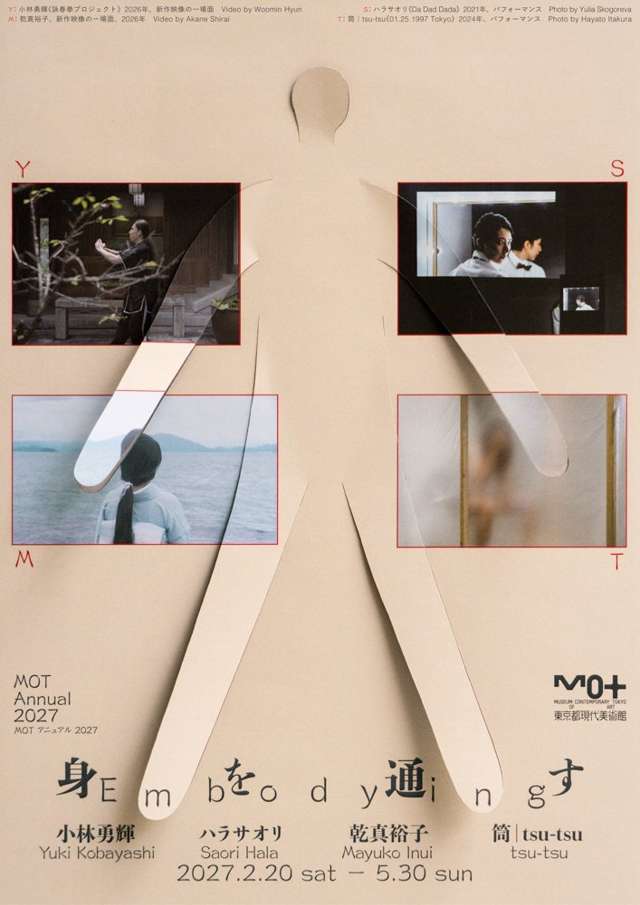
MOT Annual 2026
The “MOT ANNUAL” is a group exhibition based in Tokyo, where diverse cultures and expressions intersect, aiming to shed light on aspects of the contemporary art scene that prompt questions and discussions. For its 21st edition, the exhibition presents a variety of endeavors by emerging artists spanning contemporary art, performing arts, and experimental music, connecting past and present through the body to open new horizons within our sensations and experiences. The exhibition places particular focus on performances resonating with the memories of individuals and society. *Details including admission and closed dates will be announced on the website.
MOT Collection
Works from the diverse collection of the Museum of Contemporary Art Tokyo (MOT) are presented in various combinations under themes to convey the appeal of the collection from new perspectives. Museum of Contemporary Art Tokyo, Collection Gallery
北野謙(仮)
宇宙論的なスケールで人間の視覚を超えたヴィジョンを表現する写真家・北野謙(1968-)の個展。北野は「個と社会」あるいは「他者」について、写真でしかできない手法を通して追求してきました。今回は主に「光を集める」プロジェクトと長時間露光による作品シリーズに焦点をあてます。赤道と北極圏を含む地球上の各地に半年間から1年間カメラを設置し、冬至―夏至の太陽の軌跡を焼き付ける同プロジェクトの新作・完成版が見どころです。
Hayami Gyoshu: A Retrospective(Tentative Title)
More details available on the original source page.
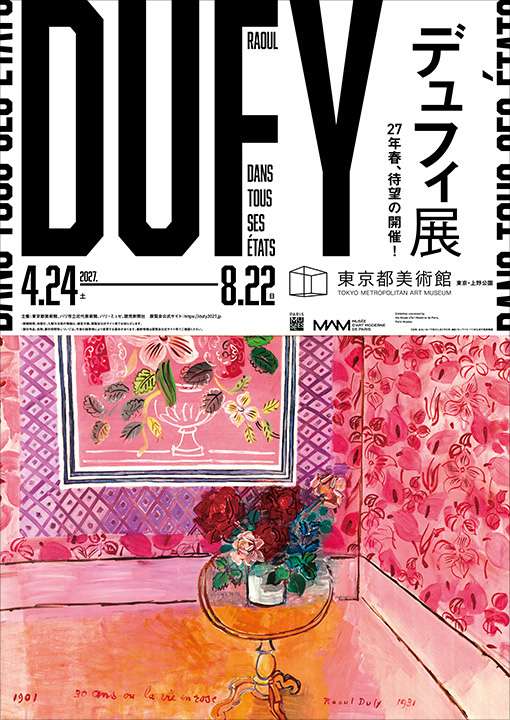
Raoul Dufy Dans Tous Ses États
Raoul Dufy (1877-1953)—a leading 20th-century French painter known for his daring use of “color and light.” Dufy left behind a large number of works depicting buoyant, joyful scenes of the sea, boats, music, wheatfields, and rural landscapes in vibrant colors. Extending his practice beyond the canvas into textile design, and costumes design, ceramics, tapestries, and even furniture, he became widely recognized as a versatile artist. This exhibition commemorating the 150th anniversary of Dufy's birth will comprehensively showcase his art, primarily through numerous pieces held in the collection of the Musée d'Art Moderne de Paris. A must see is the 1/10 scale original painting (6m wide) of his colossal fresco, La Fée Electricité (“The Electricity Fairy”) commissioned for the 1937 International Exposition in Paris. In spring 2027, vibrant, joyful colors will brighten Ueno district in Tokyo.
Participating Artists
We encounter the world through play, born of curiosity and a spirit of inquiry. Through experimentation, improvisation, and deep absorption, we discover our own sense of agency, possibility, and connection in society. Play also has the power to challenge the rules and conventions embedded in everyday life, opening familiar worlds to new ways of seeing. Through the works of contemporary artists, New Rules of Play: Art, Children, and Society reexamines play as a powerful force for unleashing the imagination. This exhibition brings together artworks that illuminate the rich potential of play in diverse ways: spontaneous and ludic encounters, immersive installations that unsettle our physical sensation and perception, projects that question social norms, and participatory works that imagine new forms of coexistence. Spanning practices from the 1950s to the present, the exhibition also traces how artists have drawn on children's openness and sense of wonder to question conventions and values surrounding art. Children are not simply the audience for this exhibition, but active collaborators in its making. By reconsidering the adult-centered assumptions that have long shaped museum practi
Map unavailable.
Add PUBLIC_GOOGLE_MAPS_API_KEY and PUBLIC_GOOGLE_MAPS_MAP_ID.